Underwater Macro Photography in Lembeh Strait, Indonesia
A week of shooting macro life in Lembeh Strait, compared across three photographers, three camera setups, and three very different results.
When we think of Lembeh, we think calm waters, little to no current, black sand, and an extraordinary range of macro marine life, from tiny crustaceans and nudibranchs to small reef fish and everything in between.
For underwater photographers, this is the place to hone macro and super-macro skills. The time we've spent shooting here has been consistently rewarding.
On our last trip, my family and dive buddies stayed at Yos Dive Lembeh, a boutique resort owned by Pak Yos Amerta, with its dive centre run by Jandri Maniggolang, well known among macro photographers.
Our guides, Jaongan and Nonsix, had a sharp eye for spotting creatures we'd have swum straight past, and Jandri spent time teaching us how to improve our macro technique. We were there a little over a week, and almost every dive turned up something new, with plenty of chances to experiment with snoot lighting, handheld strobes, video lights and a ring light.
Here's what San Loh, Justyn and I came back with.
San Loh's Pictures
San Loh's current setup is the Olympus Tough TG-4, a popular underwater macro camera, paired with an INON S-2000 strobe.
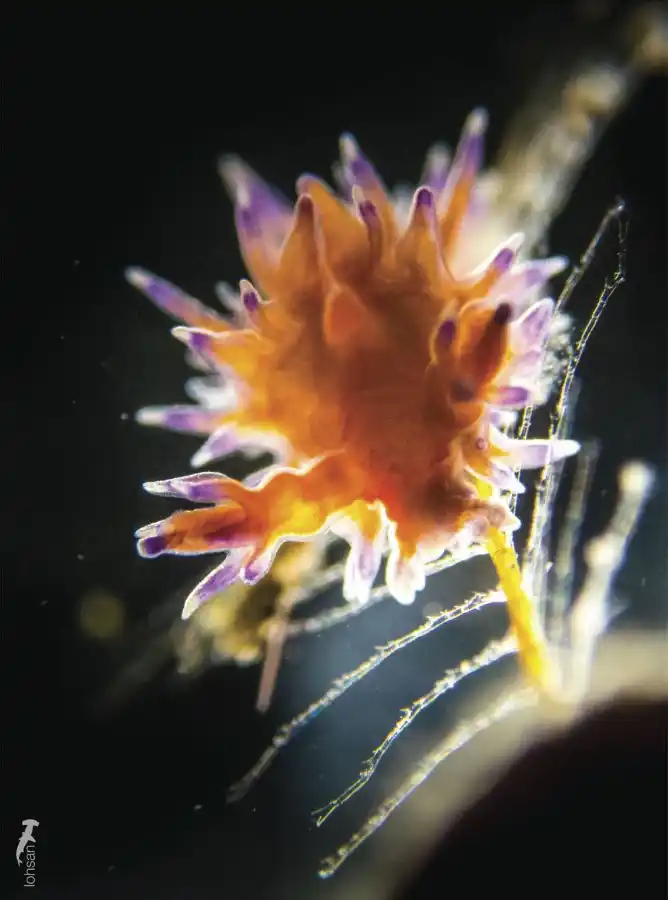
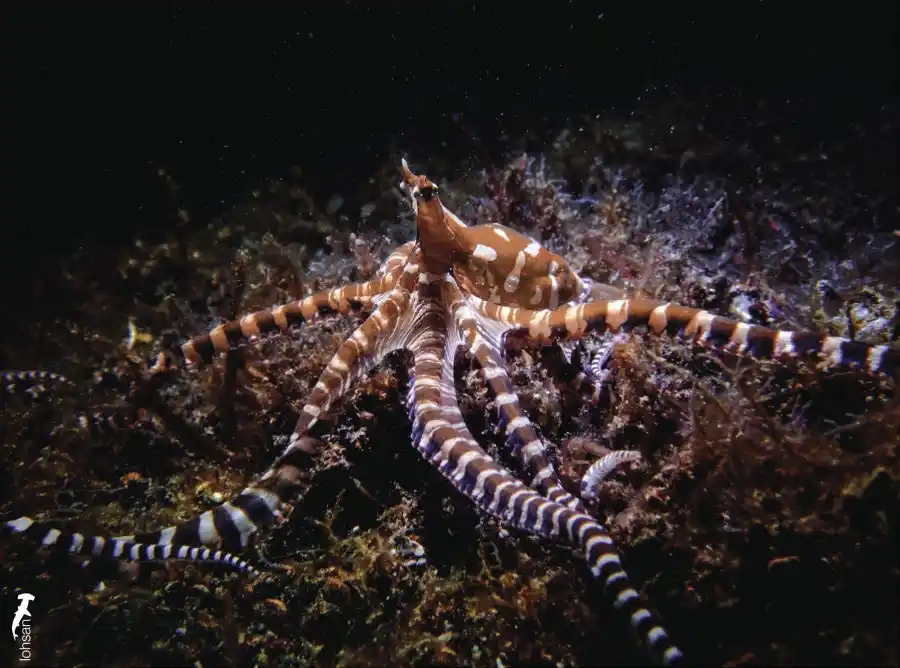
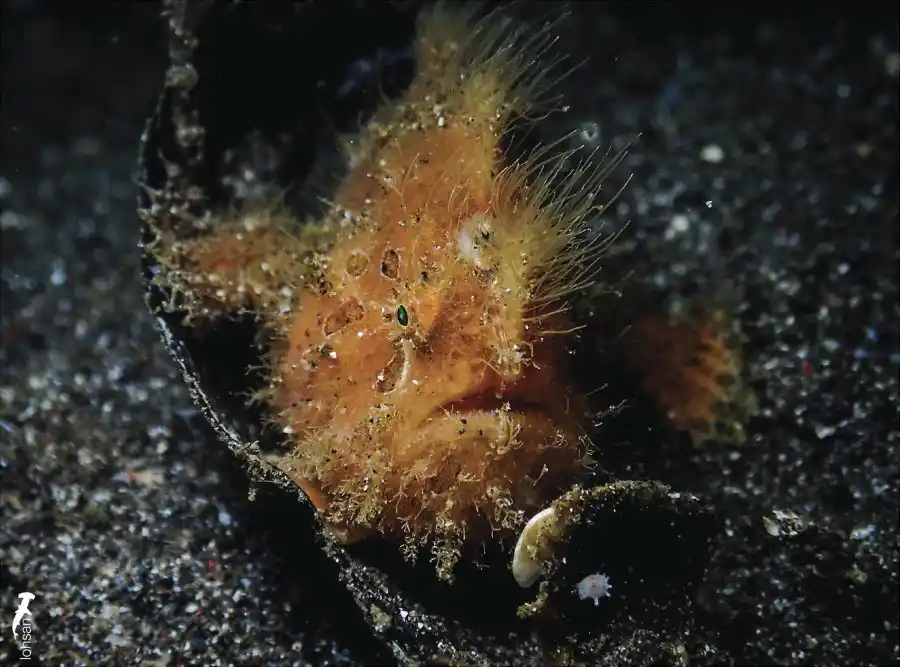
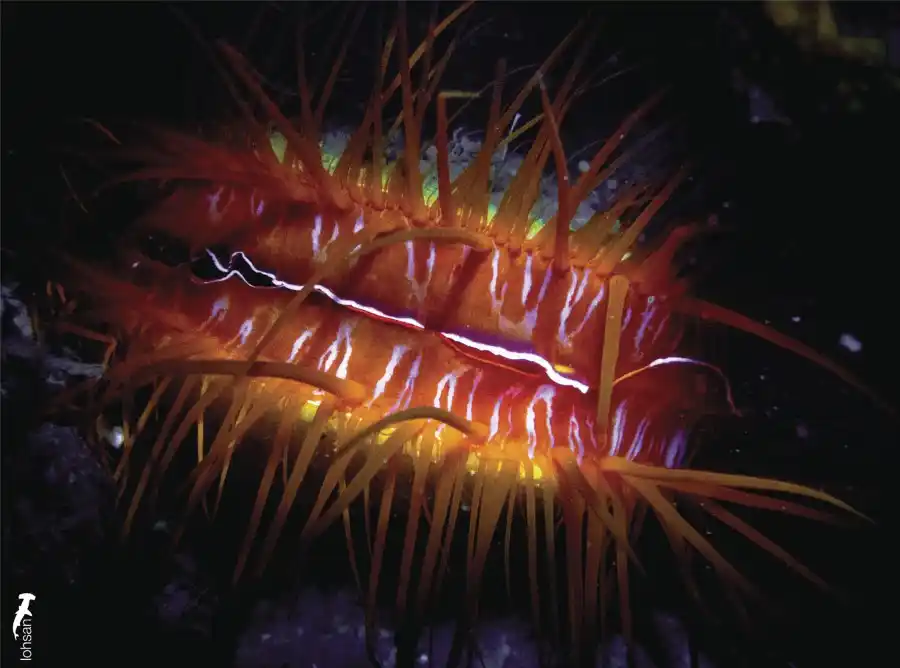
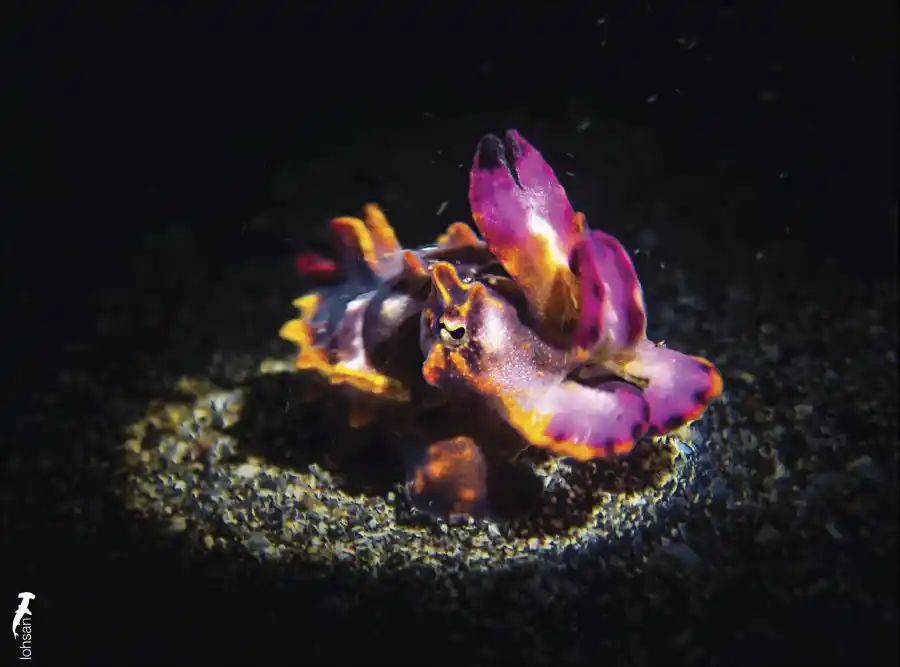
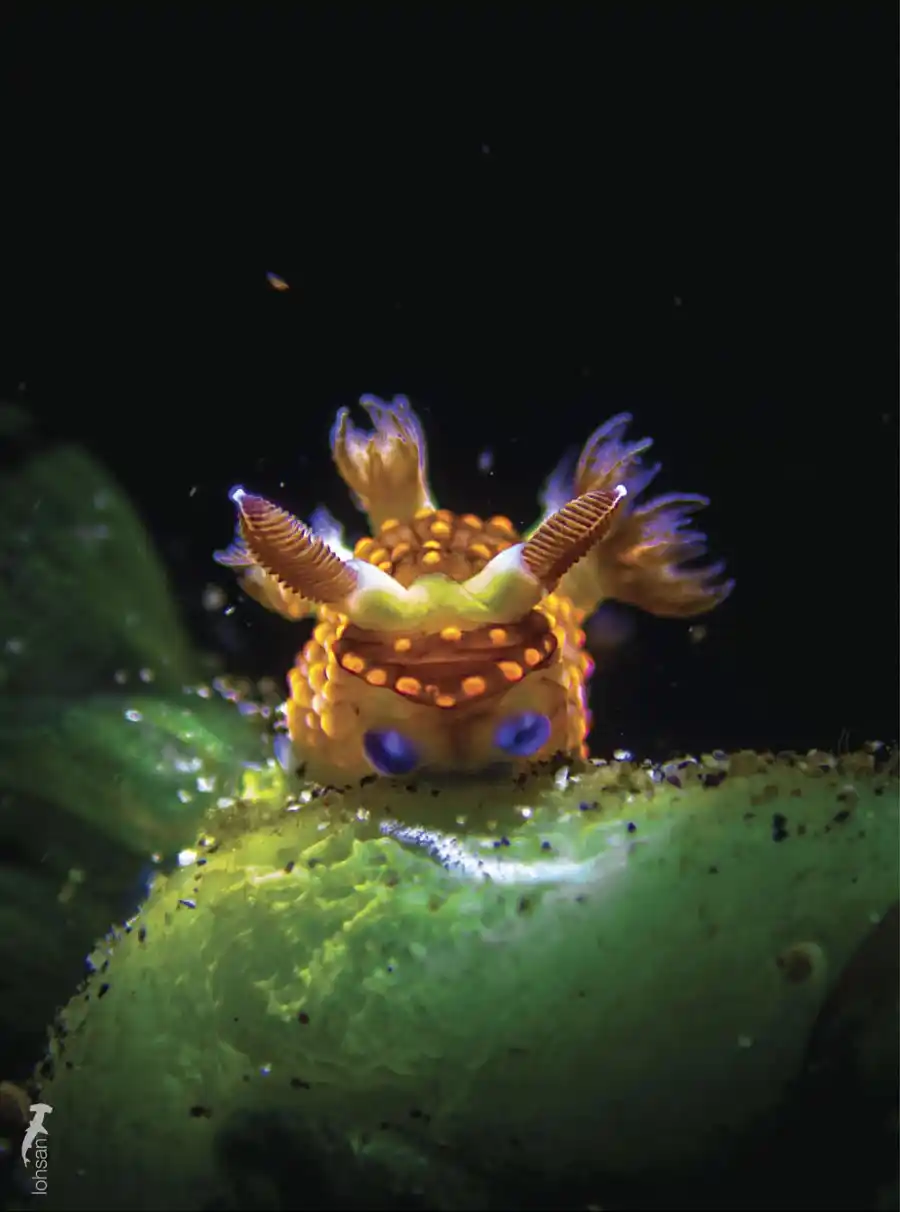
See more of San Loh's Lembeh macro life photos.
Justyn Loo's Pictures
Justyn's setup is the Olympus Tough TG-4 in an Olympus PT-056 housing, with a 1,500-lumen video light.
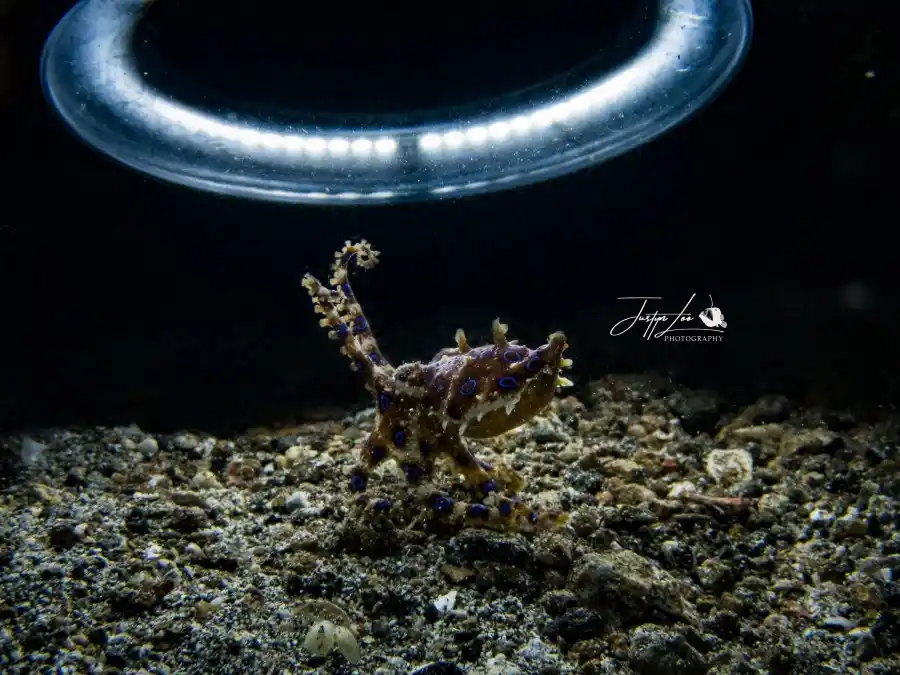
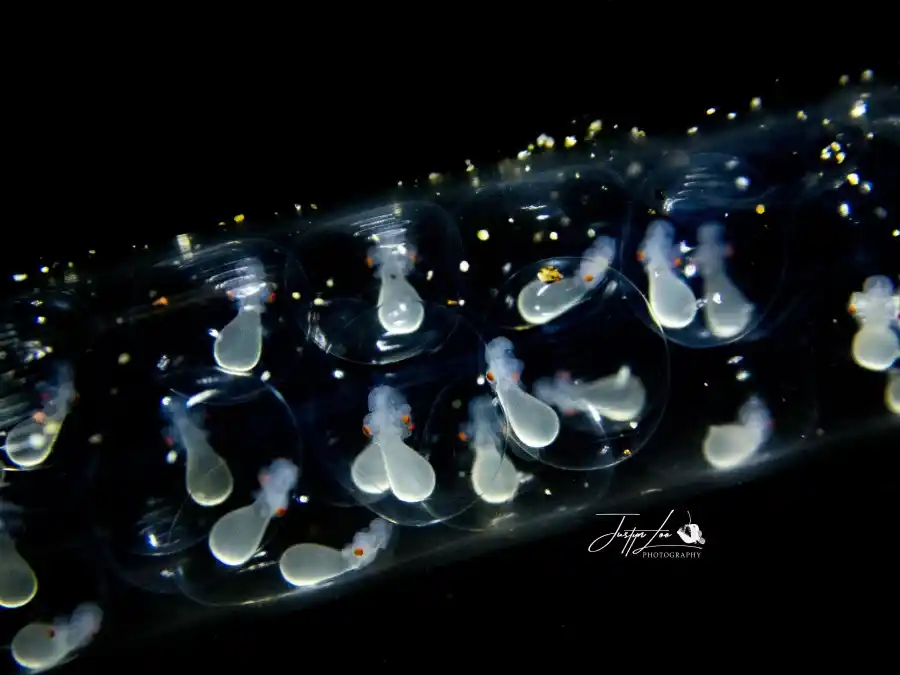
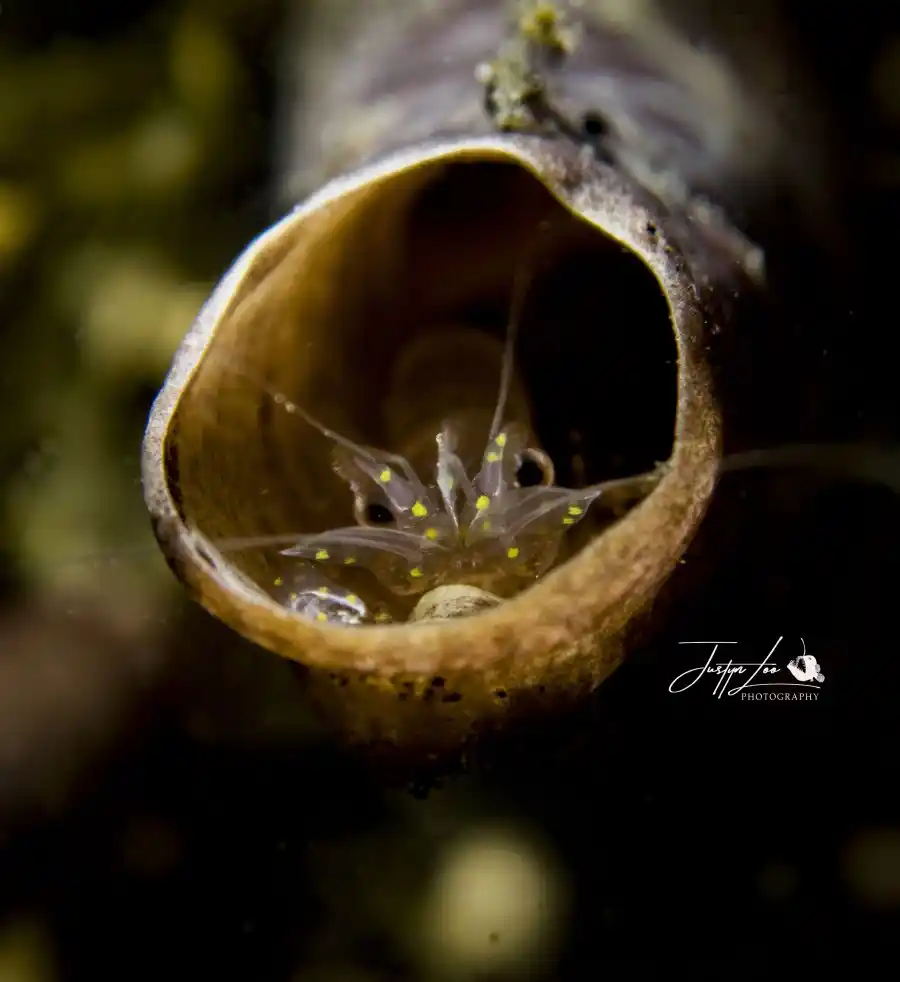
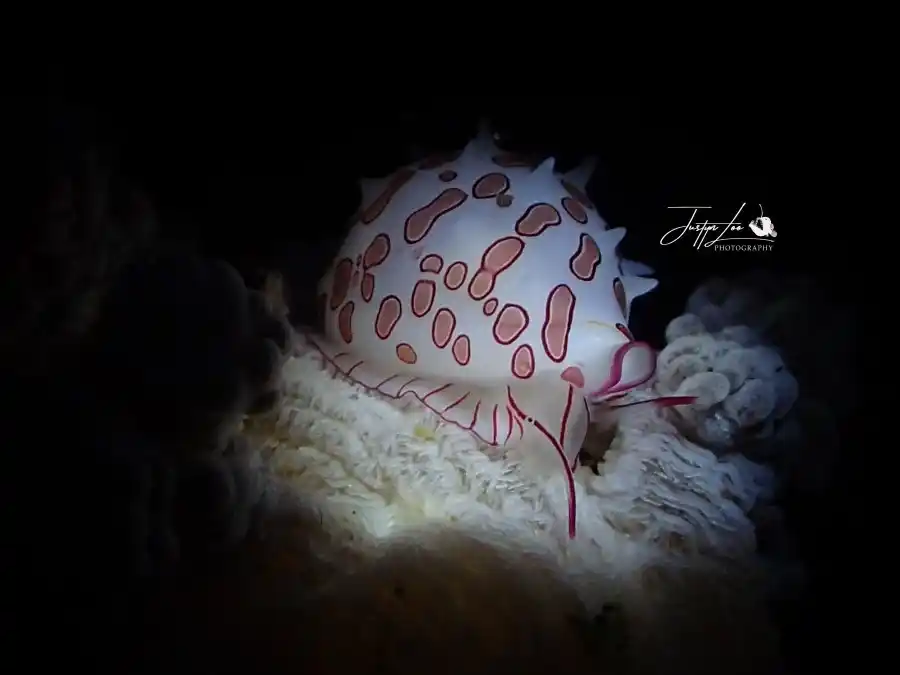
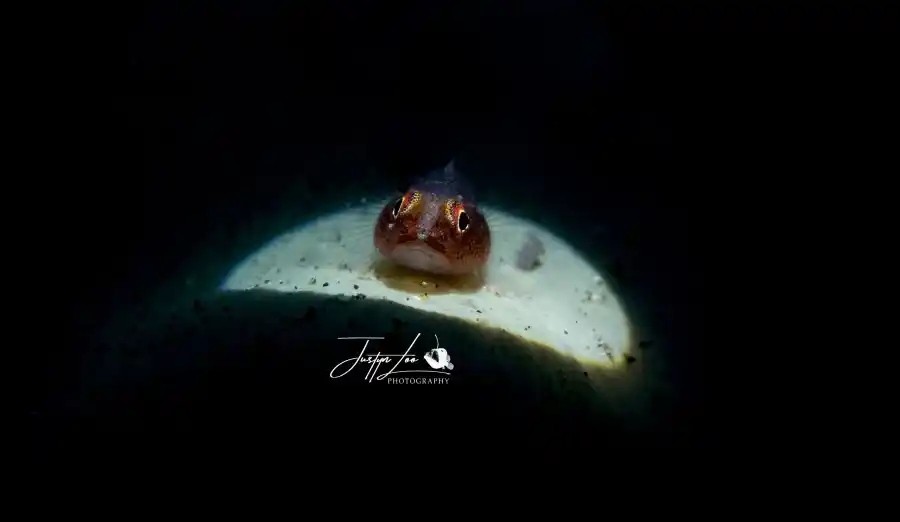
See more of Justyn Loo's little creatures from Lembeh.
Lastly, My Pictures
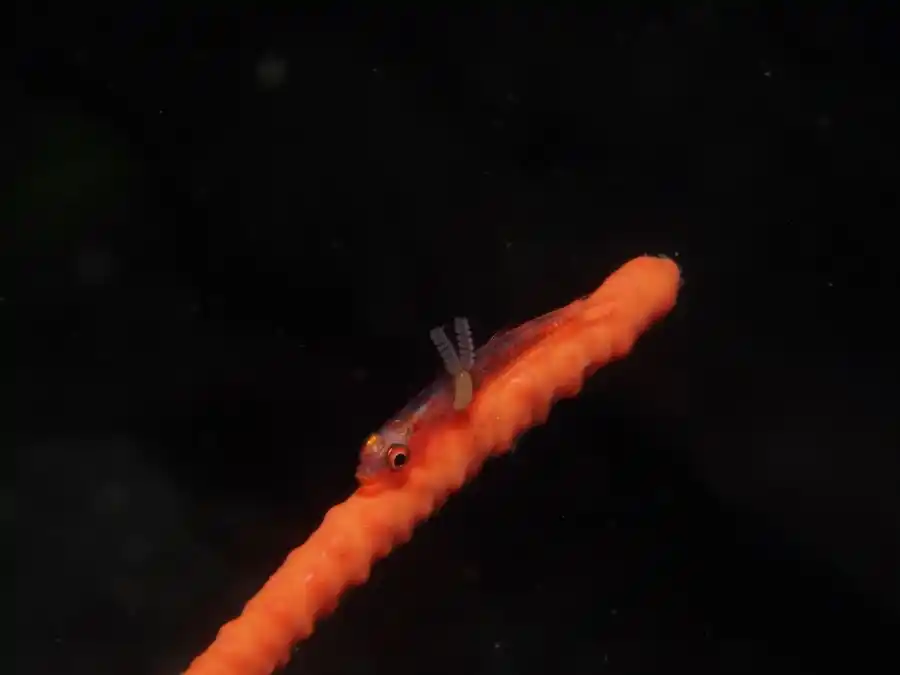
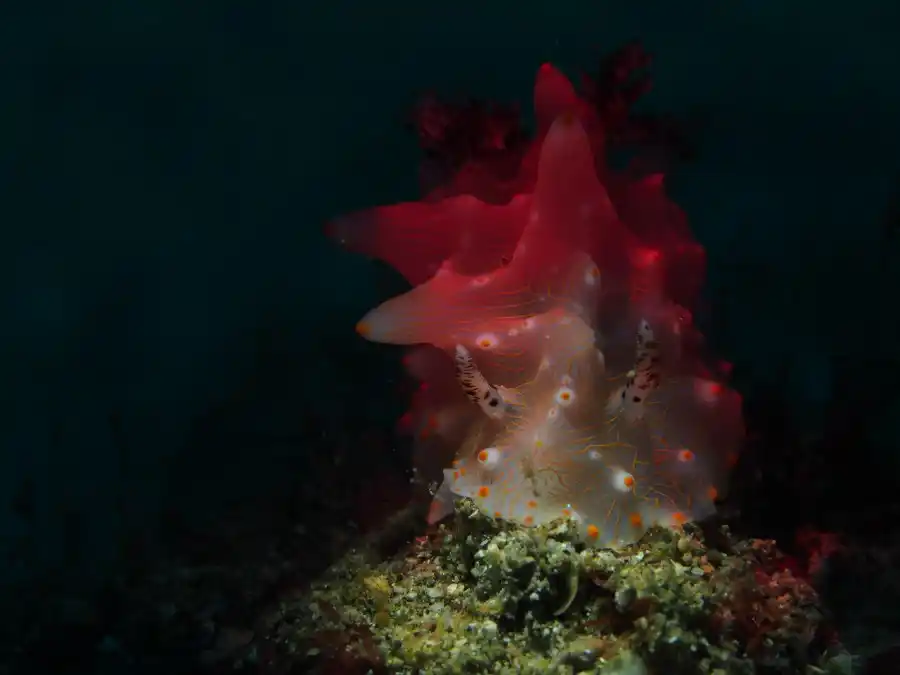
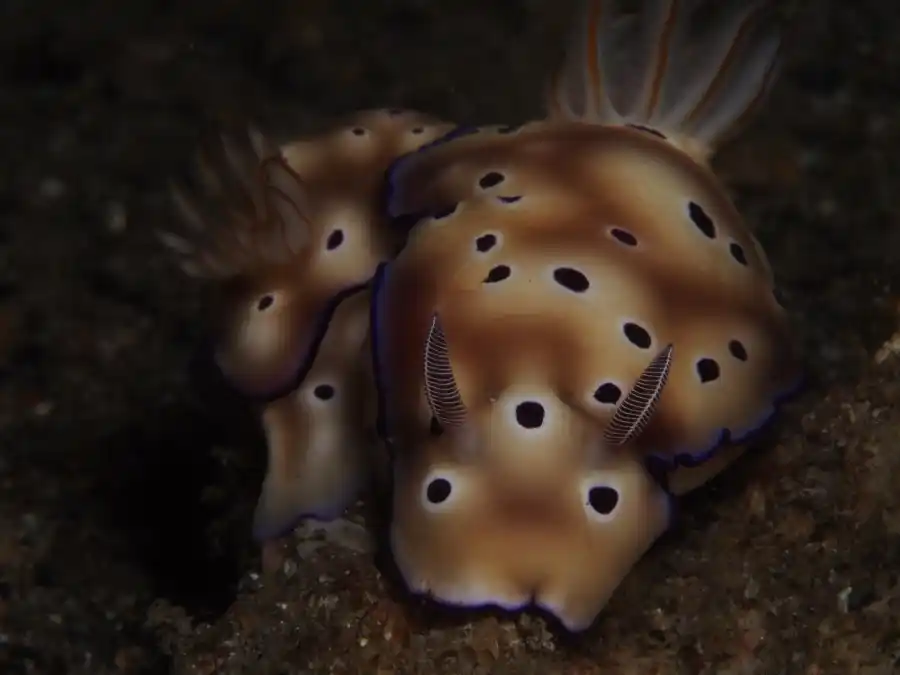
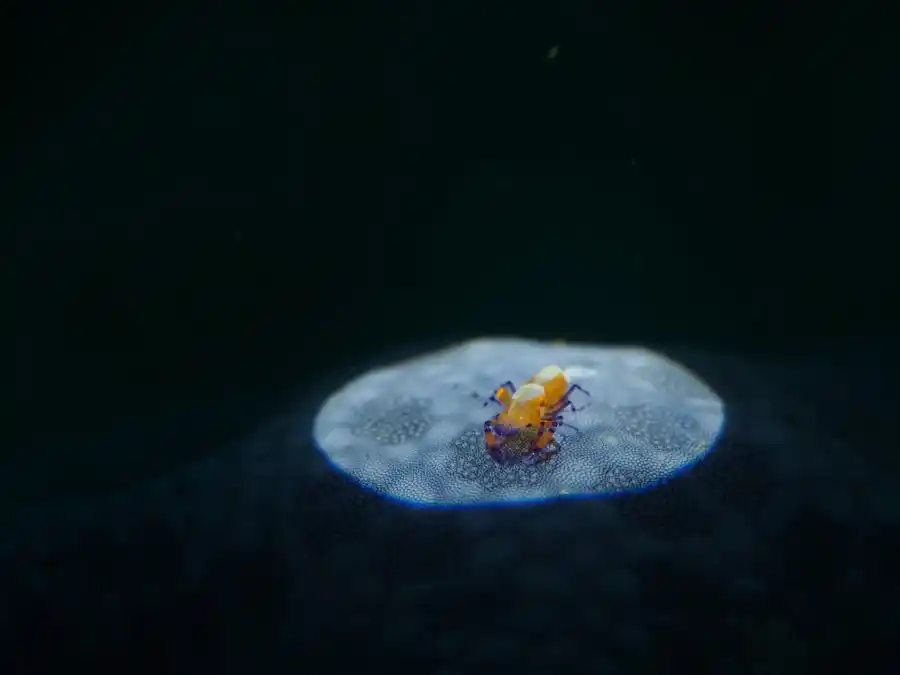
My own setup is the Olympus PEN E-PL5 with an m.Zuiko ED 60mm f2.8 macro lens in an Olympus PT-EP10 housing, and a Sea & Sea YS-110 alpha strobe.
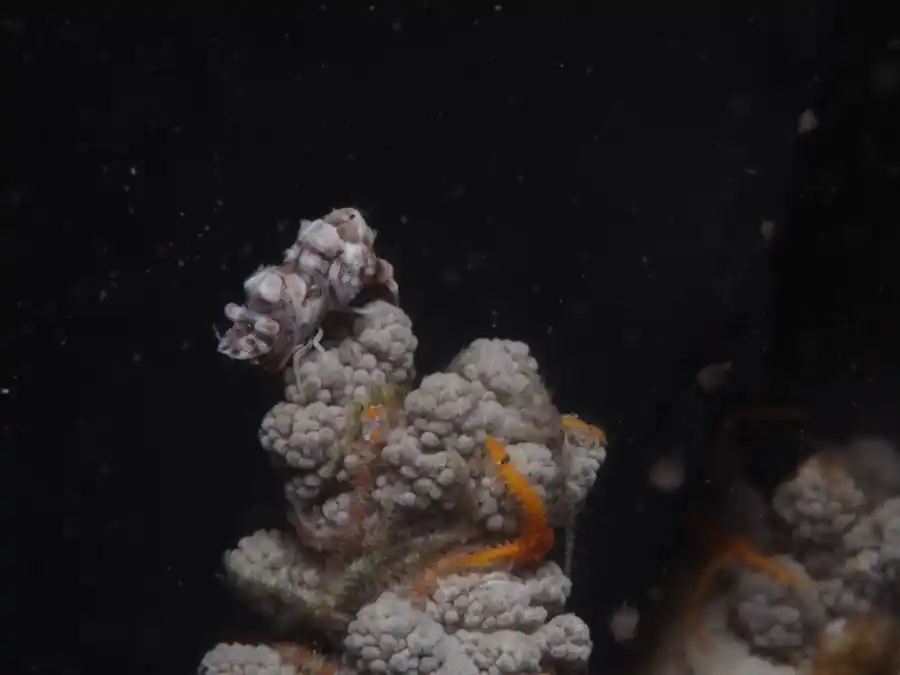
What I Learned on This Trip
One of my challenges is that my macro lens has a minimum working distance of 0.4m, so I can't get quite as close to a small subject as I'd like. It didn't help that my dive buddies were also very good photographers, and that I'm long-sighted to boot.
I borrowed a friend's Olympus Tough TG-4 for a few dives, and it's a capable little camera. Being able to get the lens almost touching the subject opens up angles that my own gear can't manage.
That said, I couldn't control the shutter speed on the TG-4, so in poor light it was hard to get a sharp image, since the camera tends to favour a slow shutter over a wide aperture.
I was tempted to switch to a setup closer to San Loh's or Justyn's, just to get results like theirs. For now, though, I'm sticking with my own gear. It's harder to get the shot my peers make look effortless, but I enjoy the challenge, and there's still plenty left to learn from the setup I have.
Getting to Lembeh
Lembeh sits in North Sulawesi, within the Coral Triangle, and is fairly easy to reach. The nearest airport is Sam Ratulangi Airport in Manado, with flights via Jakarta and Singapore. From the city, it's about a two-hour drive to Makawidey, Bitung, where most of the dive resorts are based.
Thanks to Jandri Maniggolang
Jandri Maniggolang is the dive centre manager at Yos Dive Lembeh Eco Resort, and we were fortunate to have him guide us on our dives. He's also a well-known underwater macro photographer specialising in Olympus Tough TG-series cameras, and runs workshops at the resort for photographers looking to improve. He's generous with his tips, and we wanted to take the chance to thank him properly.
Jandri is from Sangihe, north of North Sulawesi, and started his diving career in Lembeh. He's guided in Raja Ampat and Komodo over the years before settling back in Lembeh, which remains very much his home turf; at least three dive sites nearby are named after him, including Jandri's Beach.
You can follow his work on Instagram.