Three Useful Knots Every Diver Should Know, or Maybe Just One
A step-by-step guide to the stopper knot, loop knot and bending knot every diver should have in muscle memory, plus the one to learn if you only learn one.
Knots are useful when you spend a lot of time out at sea diving. Tied for the right purpose, a knot should still come undone easily even after strain has been applied to the line. But you can't learn a knot by watching once and expect to remember it later. I keep a 3m length of 3mm rope around the house and practice whenever I have a spare minute.
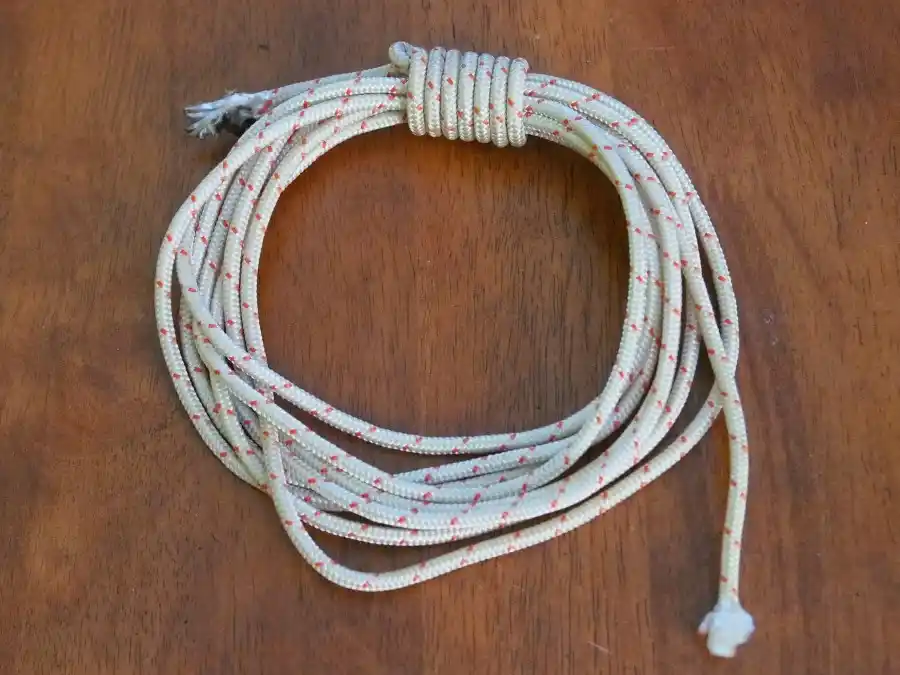
Before we get to the knots, let's cover the common terms for the parts of a line.
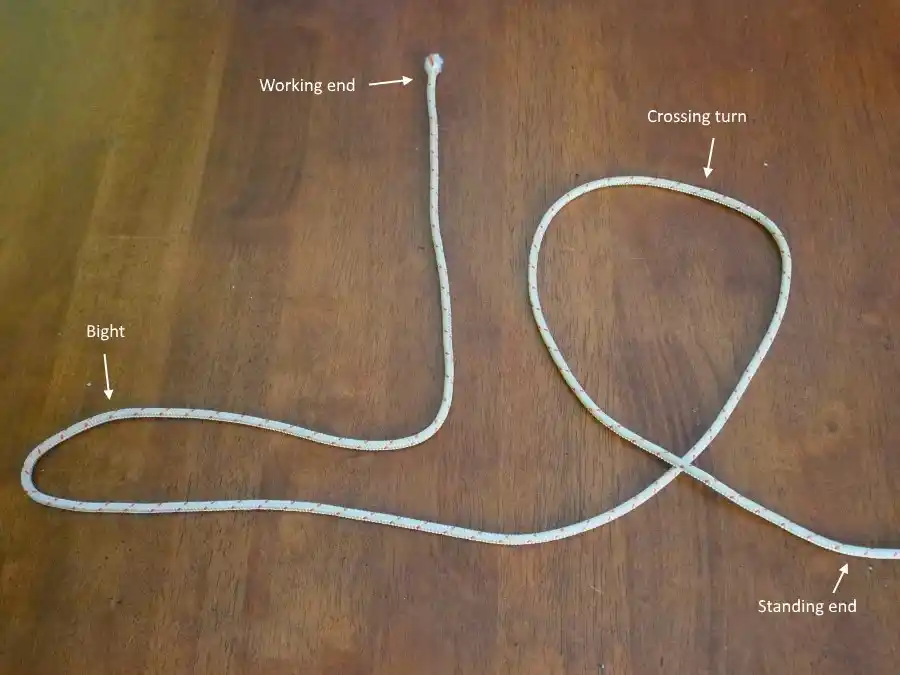
Working end: the end you work on.
Bight: a curved section of the line.
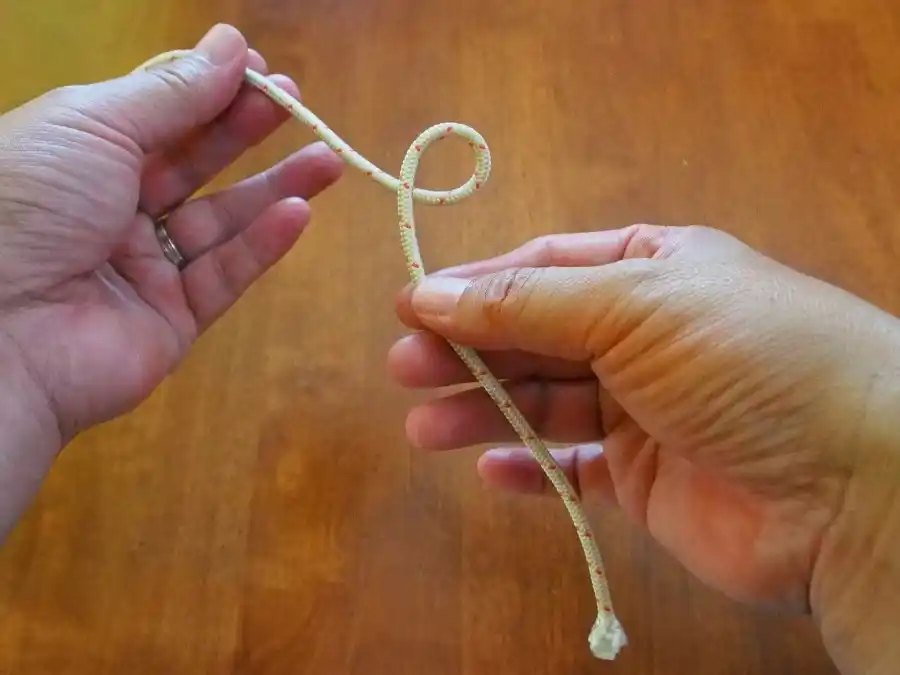
Crossing turn: a line that overlaps itself, forming a loop.
Standing end: the other end of the line.
The three types of knots covered here are the stopper knot, loop knot and bending knot.
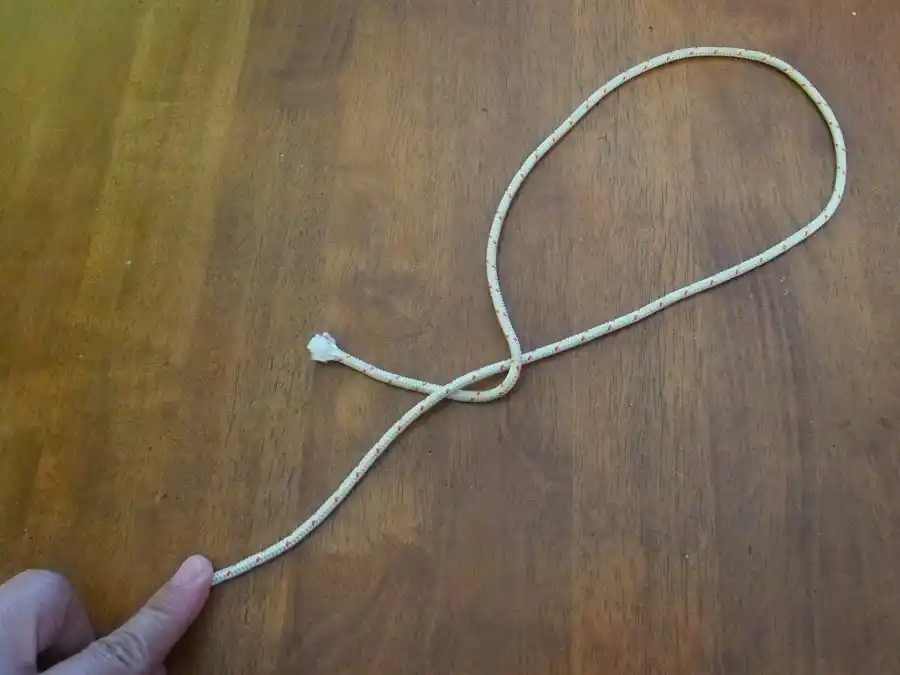
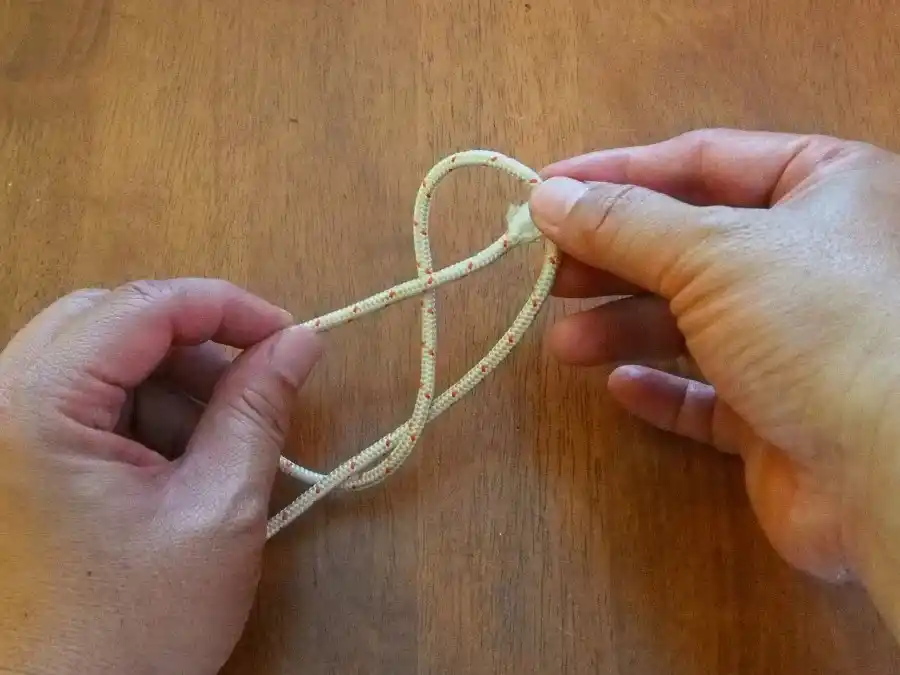
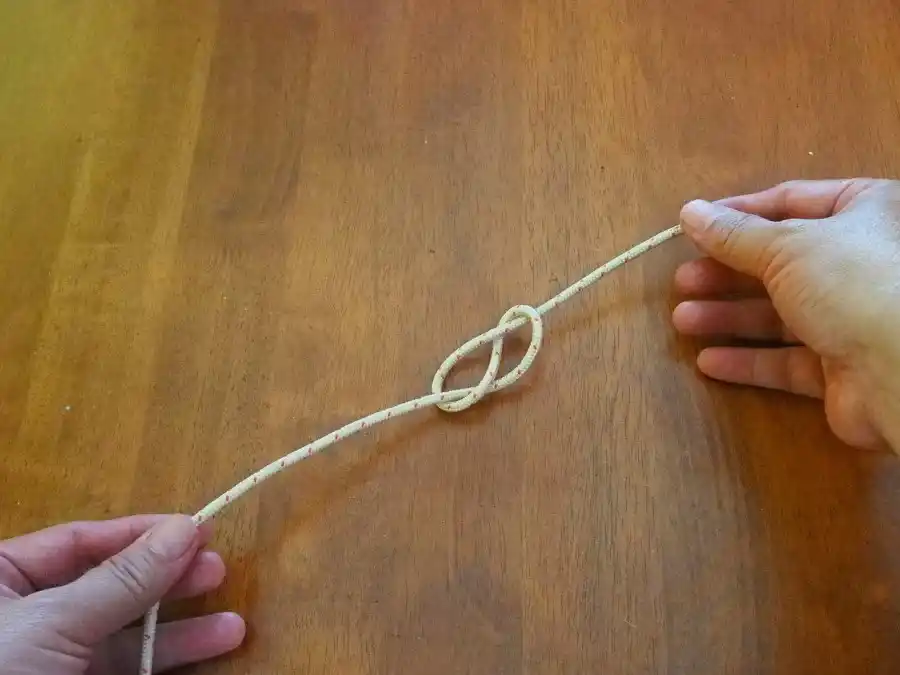
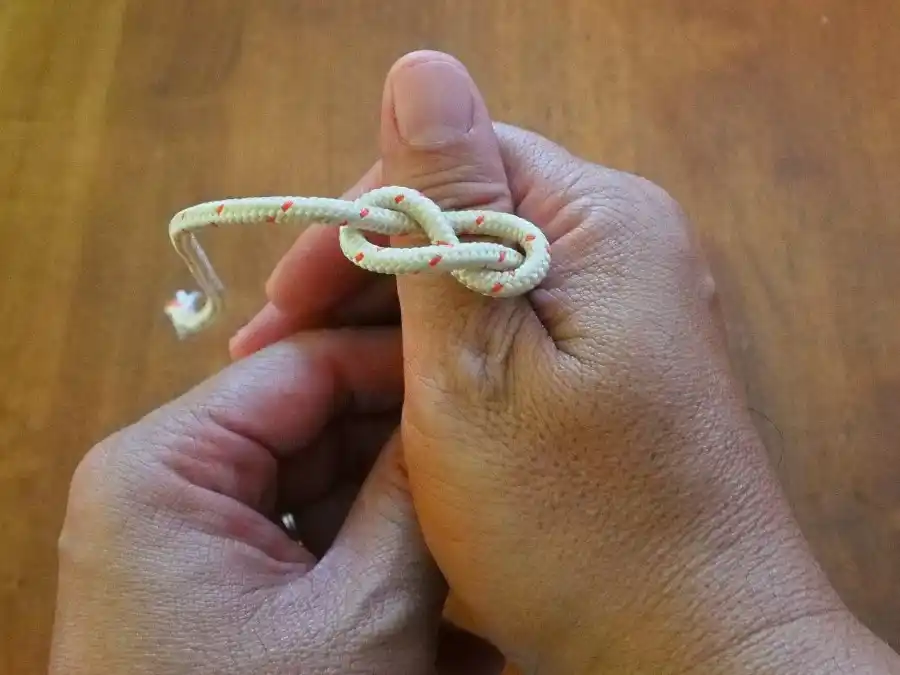
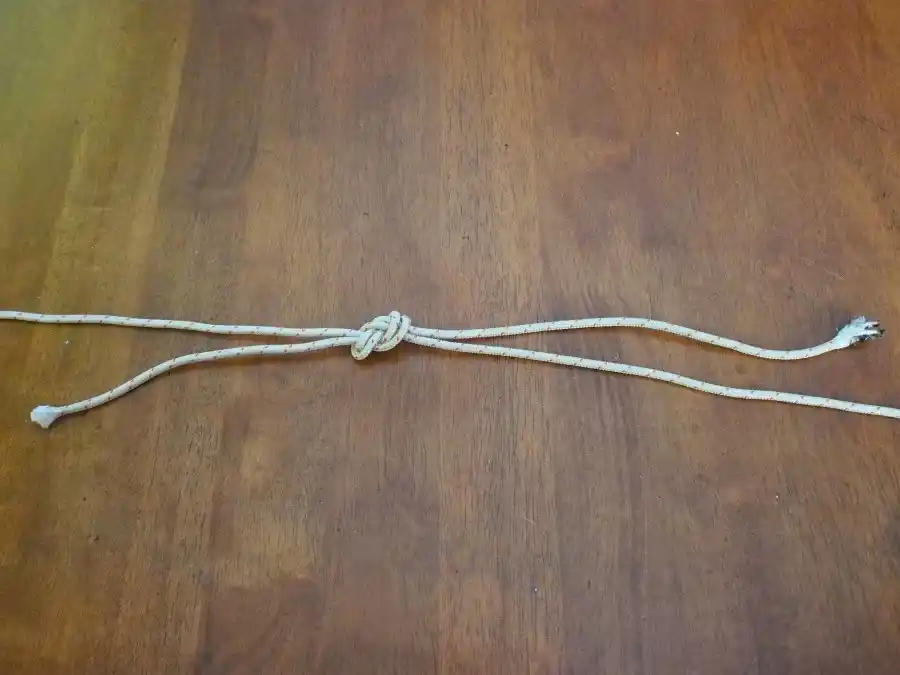
- The stopper knot is tied at the end of a line to stop it pulling through a hole, and can also add weight to the end to make it easier to throw. We'll use the Figure of Eight as a stopper knot.
- The loop knot makes a loop at the end of a line, useful for securing it to a ring, dive buoy, or anything else you need to hold onto. The Bowline is a popular loop knot.
- The bending knot temporarily joins two lines together. The Sheet Bend is an easy bending knot to learn.
Let's start.
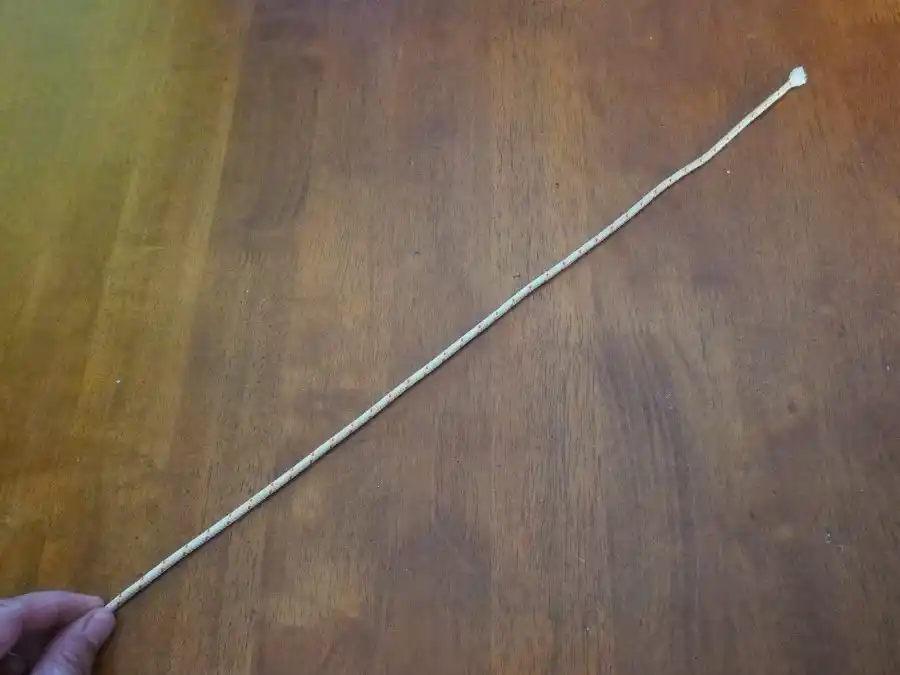
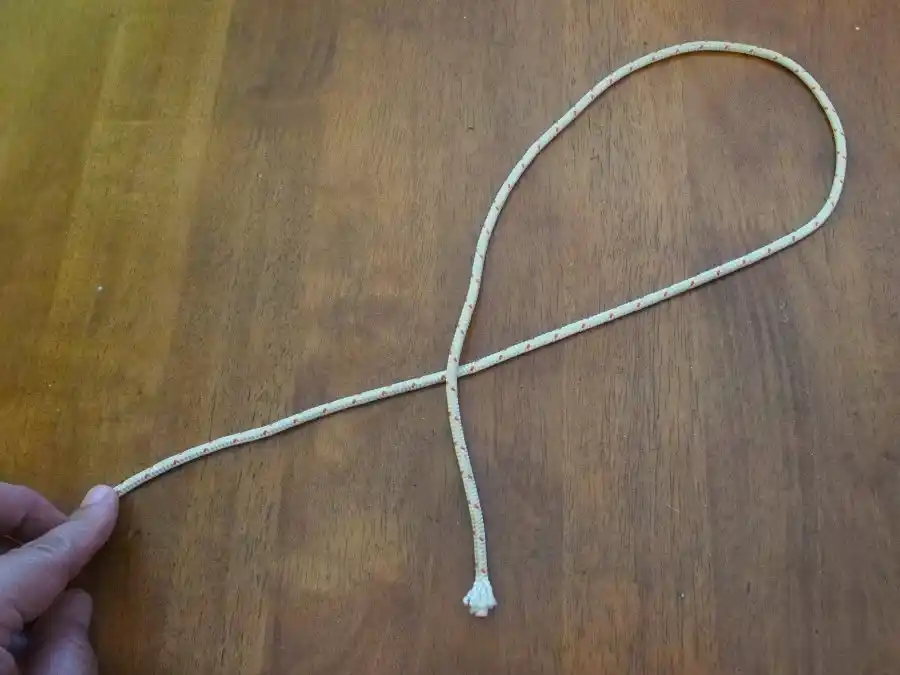
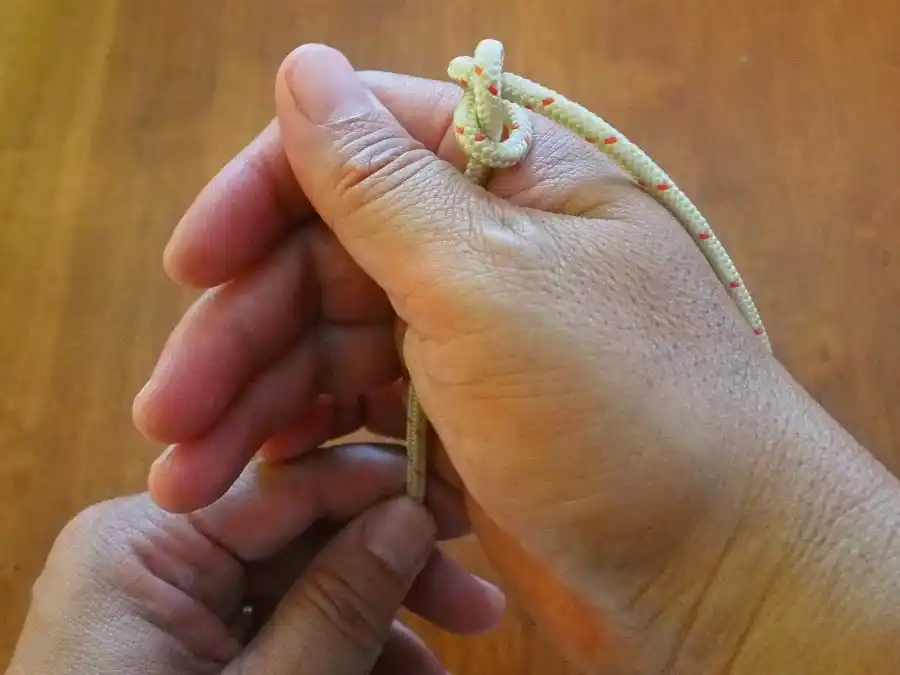
Figure of Eight
The Figure of Eight knot, used here as a stopper knot.
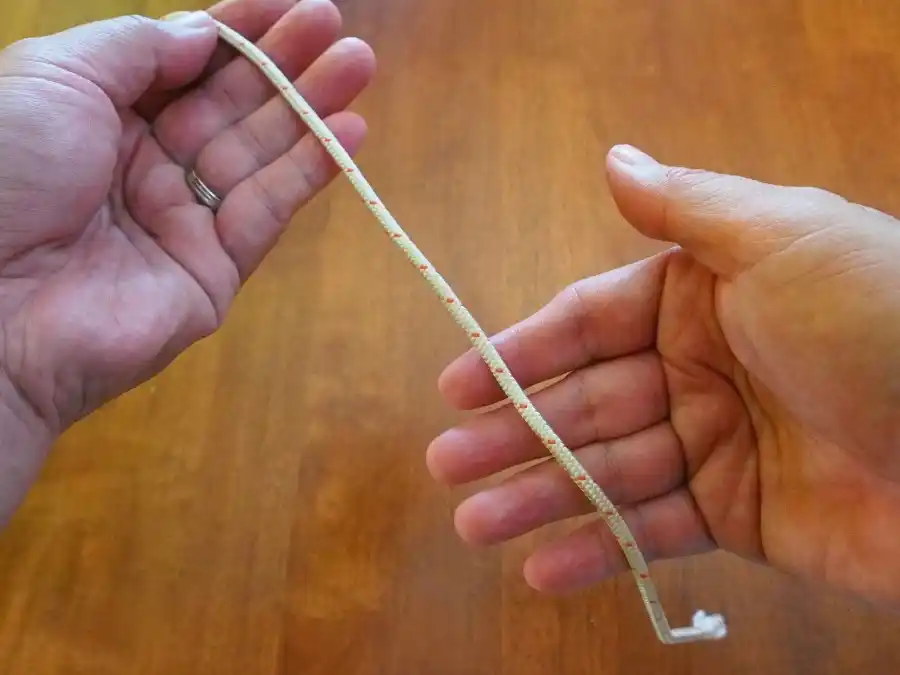
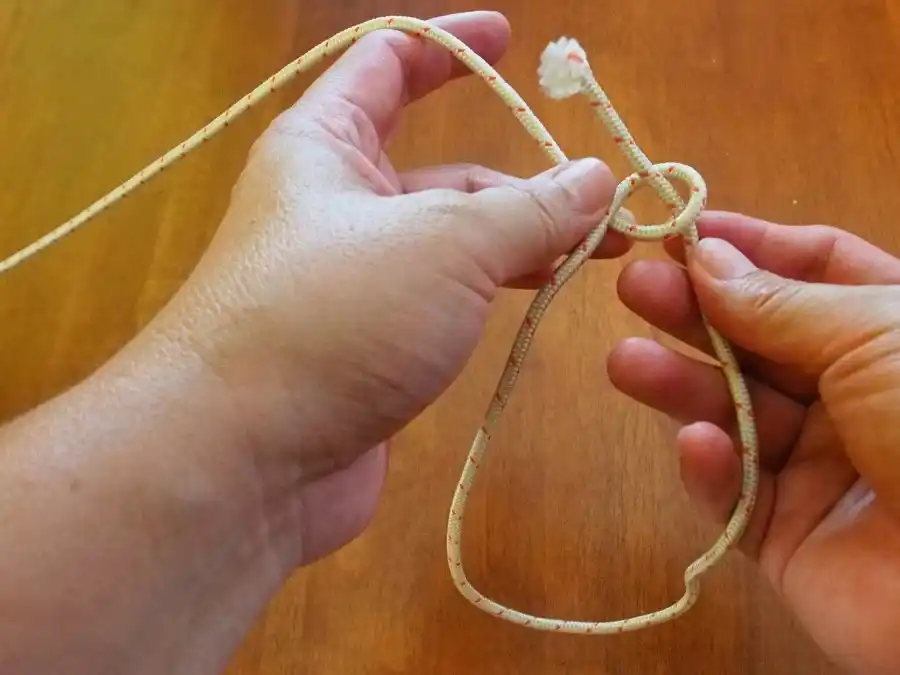
Bowline
The Bowline (pronounced boh-linn) is a loop knot that's been in use for centuries and is one of the first knots most people learn. It makes a loop at the end of a line, which you can then use to secure the line to a ring, dive buoy, or anything else you can hold onto.
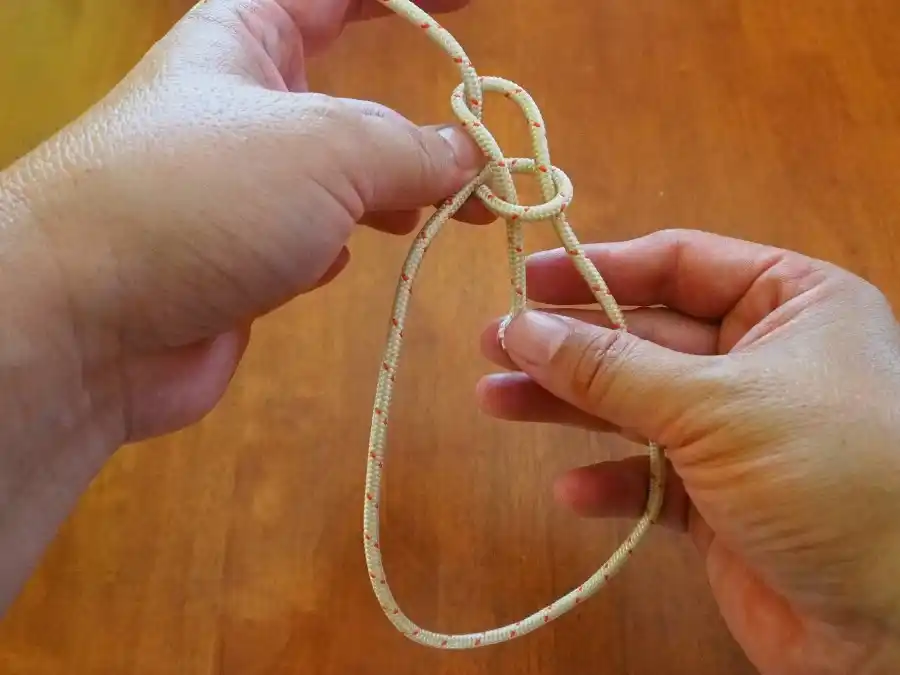
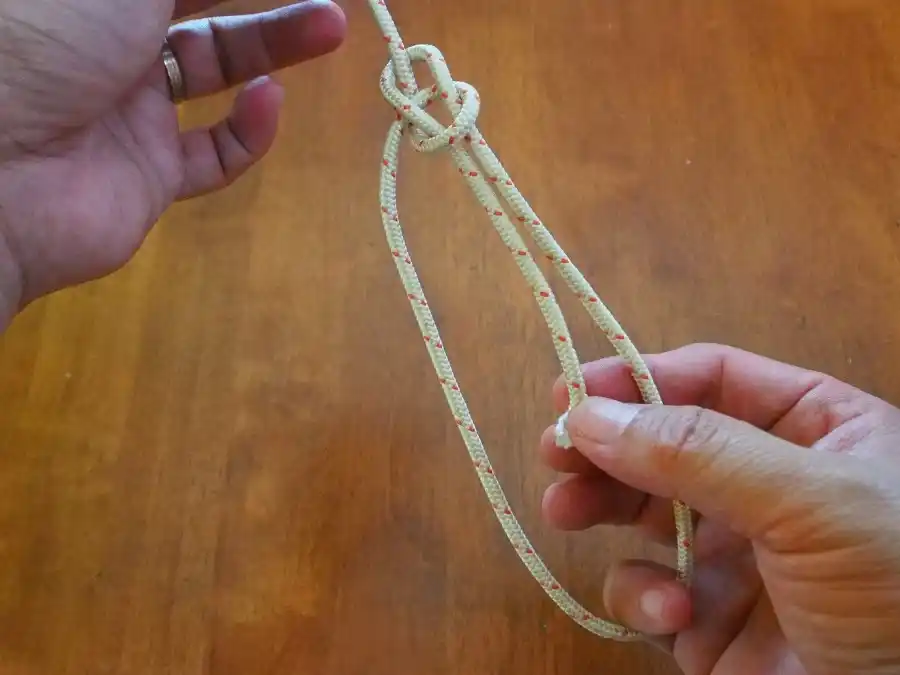
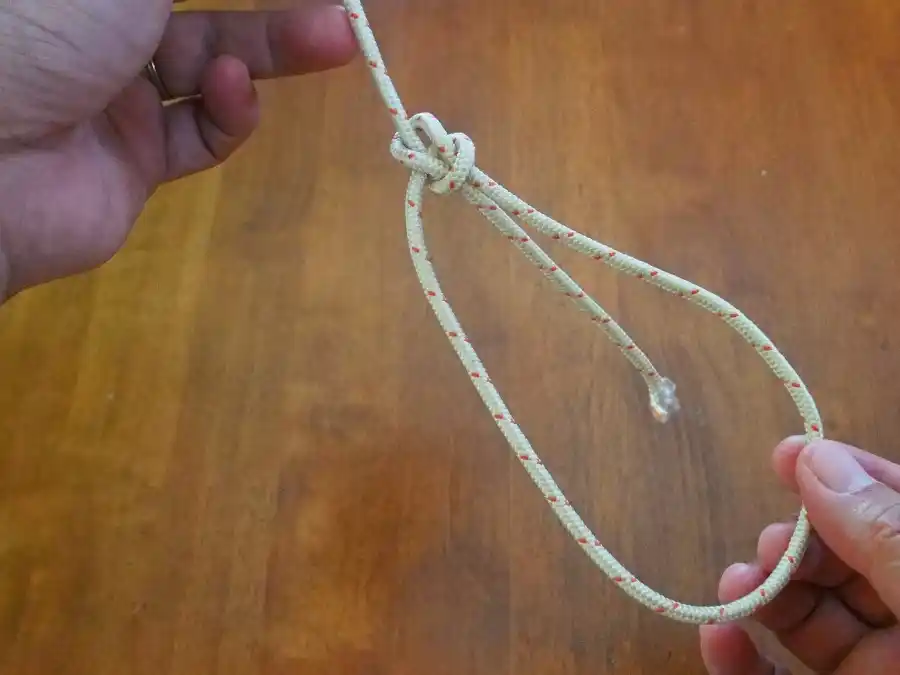
Sheet Bend
The Sheet Bend is a bending knot used for temporarily joining two lines together.
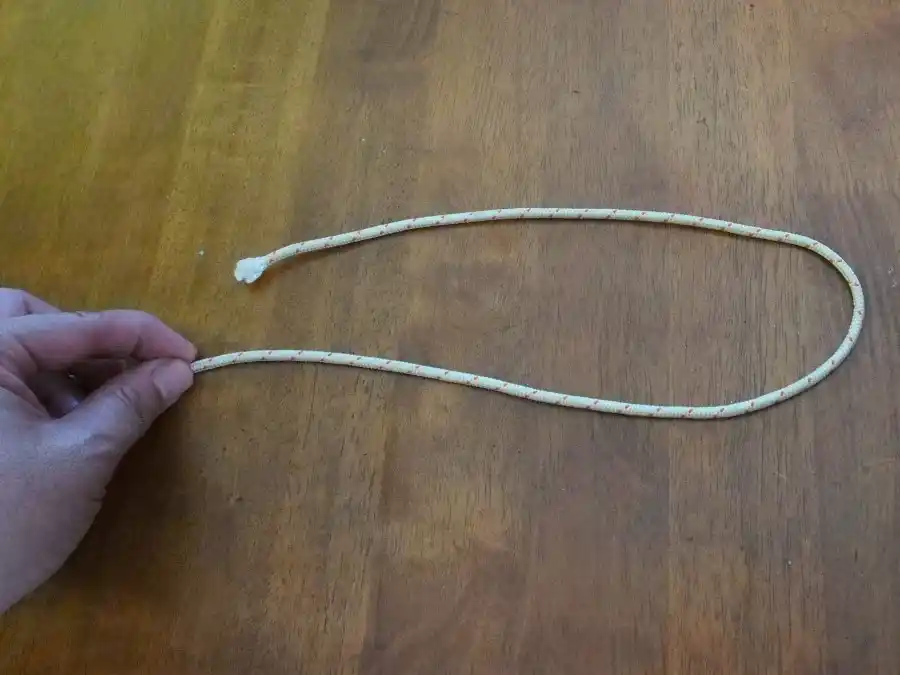
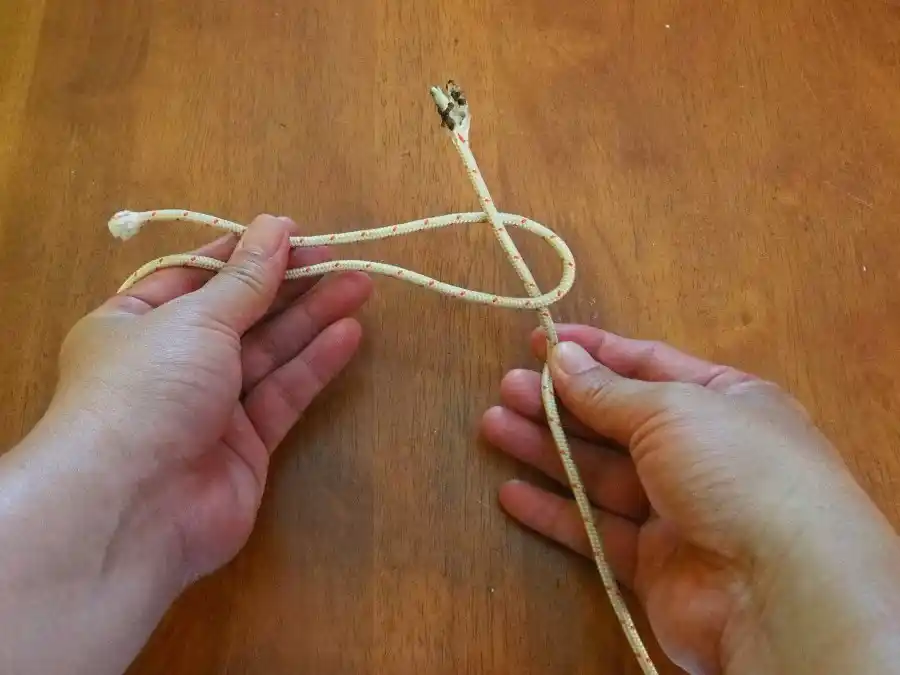
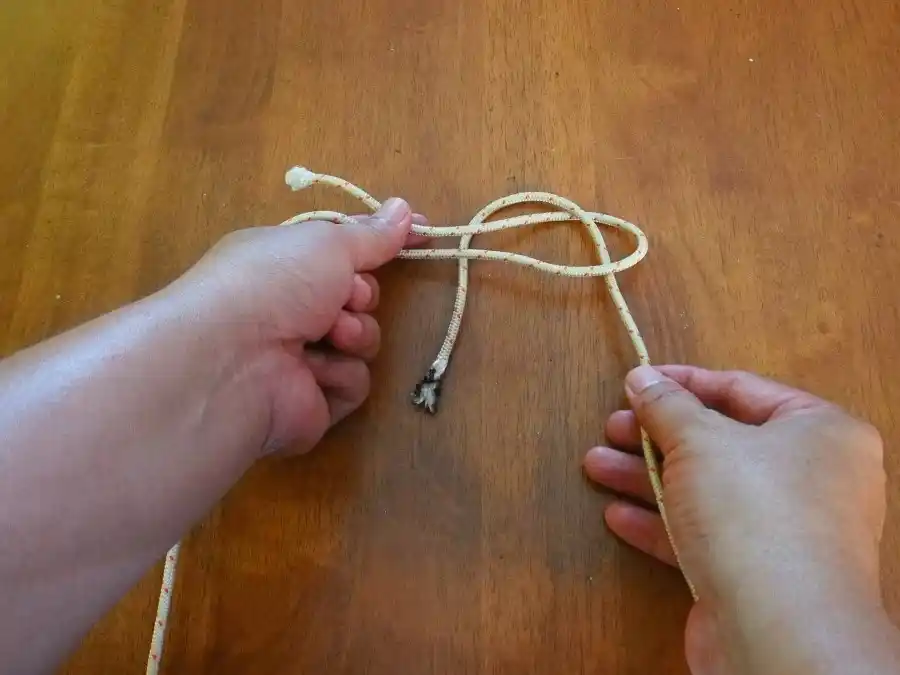
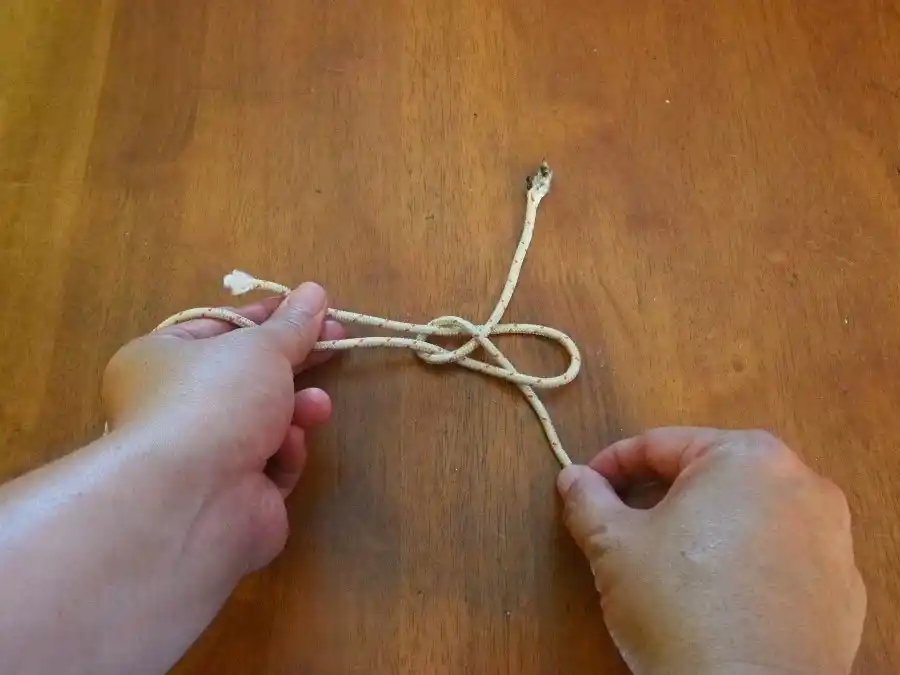
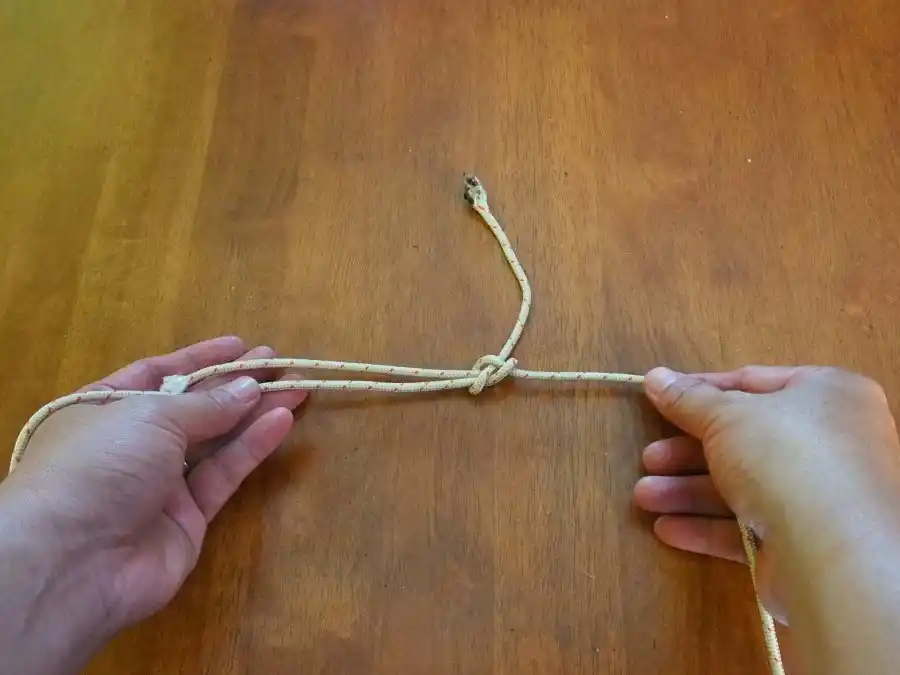
These three knots are worth practising until they become muscle memory. Tying knots is also oddly therapeutic, and good for killing time on a long boat ride.
If You Only Have Time for One Knot
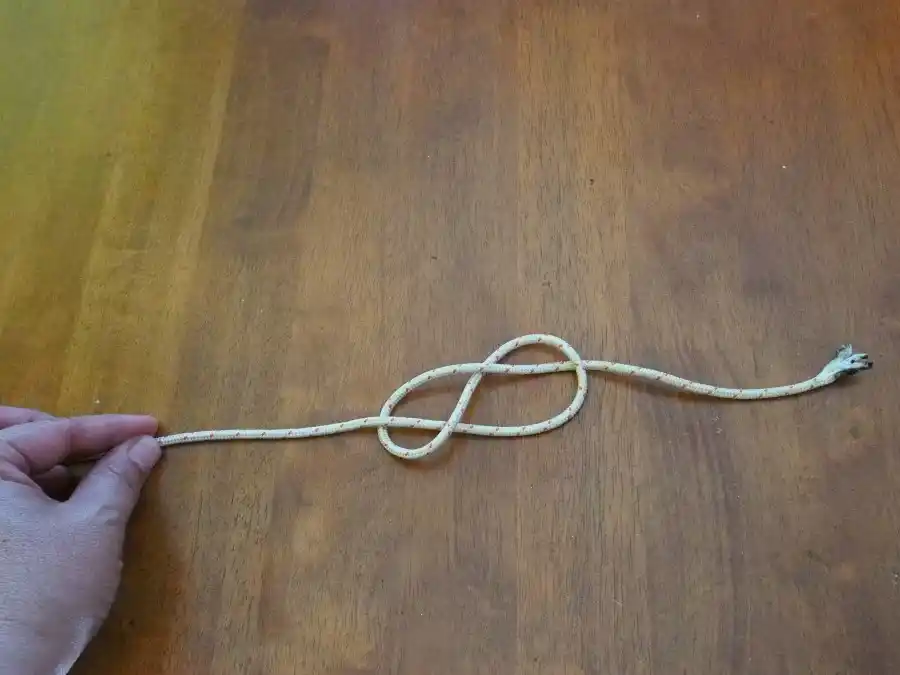
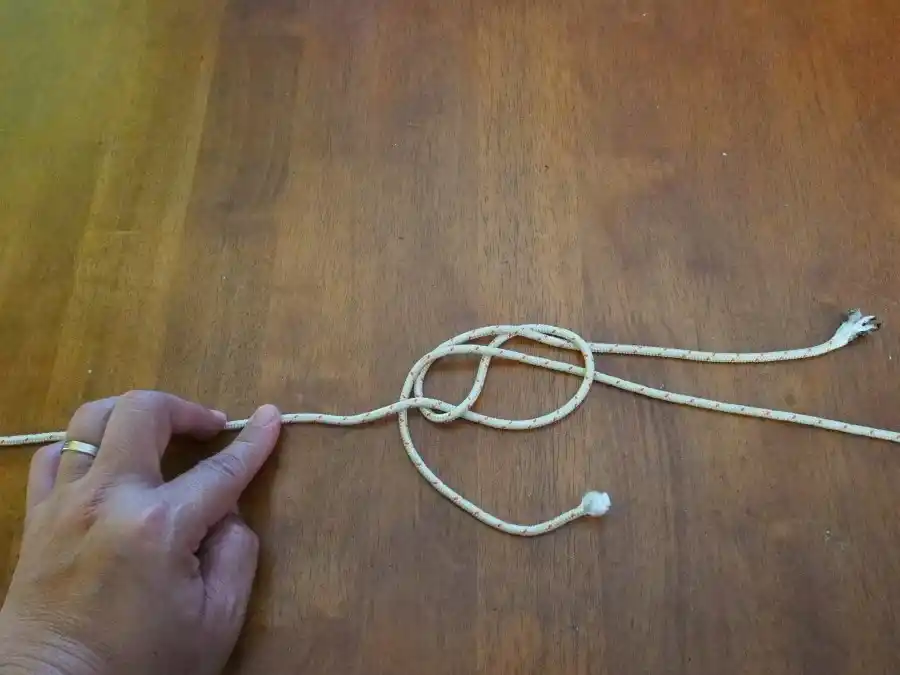
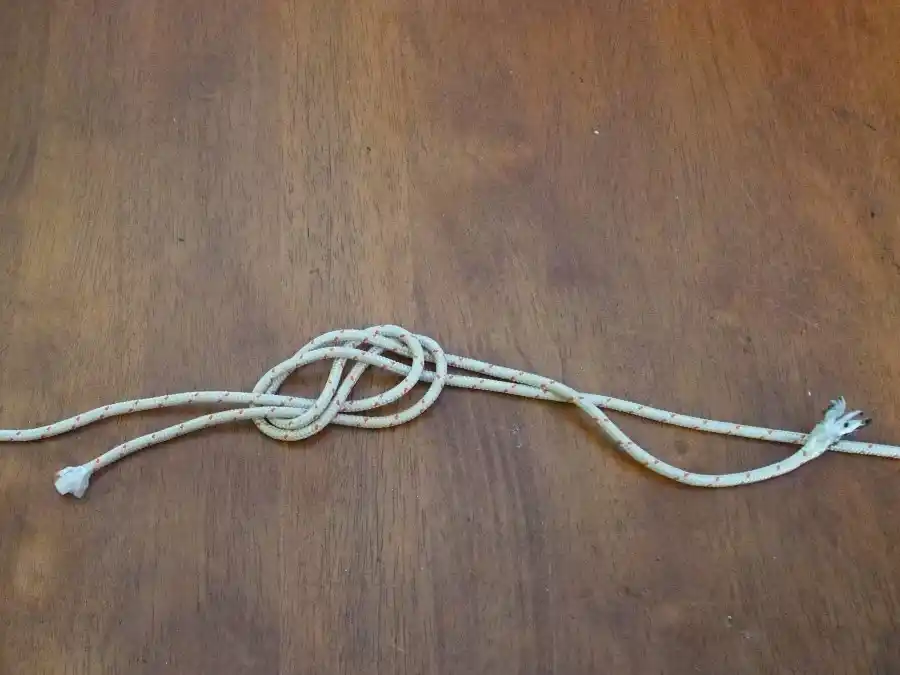
If you truly only have time for one knot, Gordon Perry, a well-known figure in the knotting community, recommends the Figure of Eight. You've already seen it as a stopper knot; here it is adapted as a loop and a bend.
Figure of Eight Loop Knot
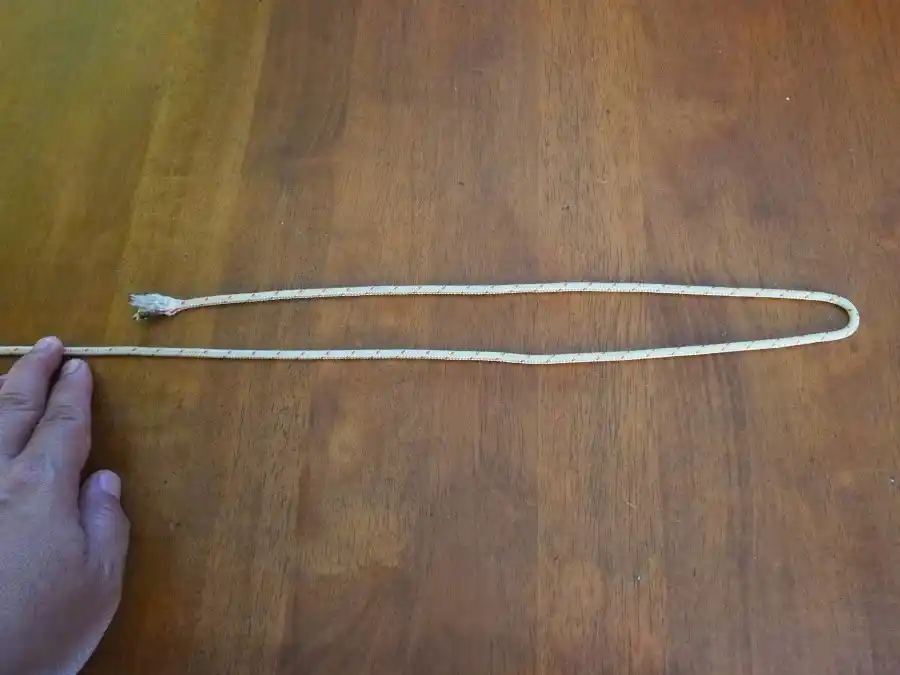
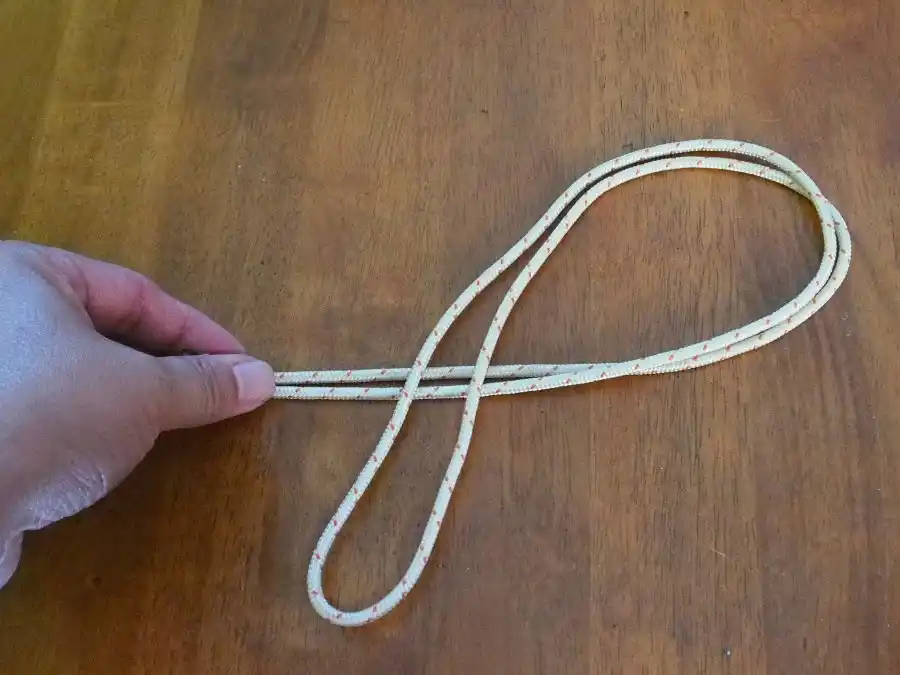
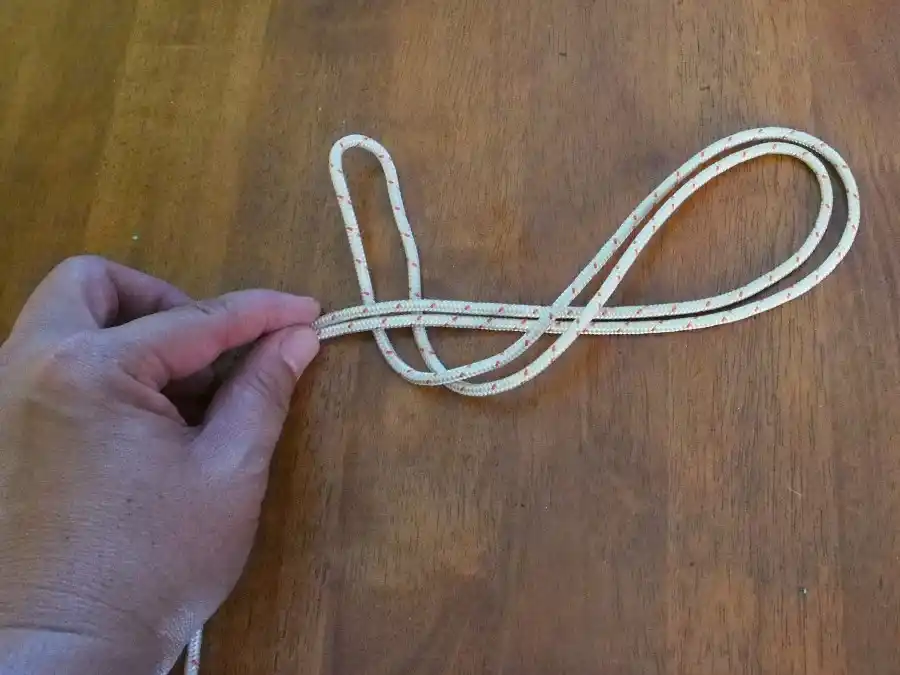
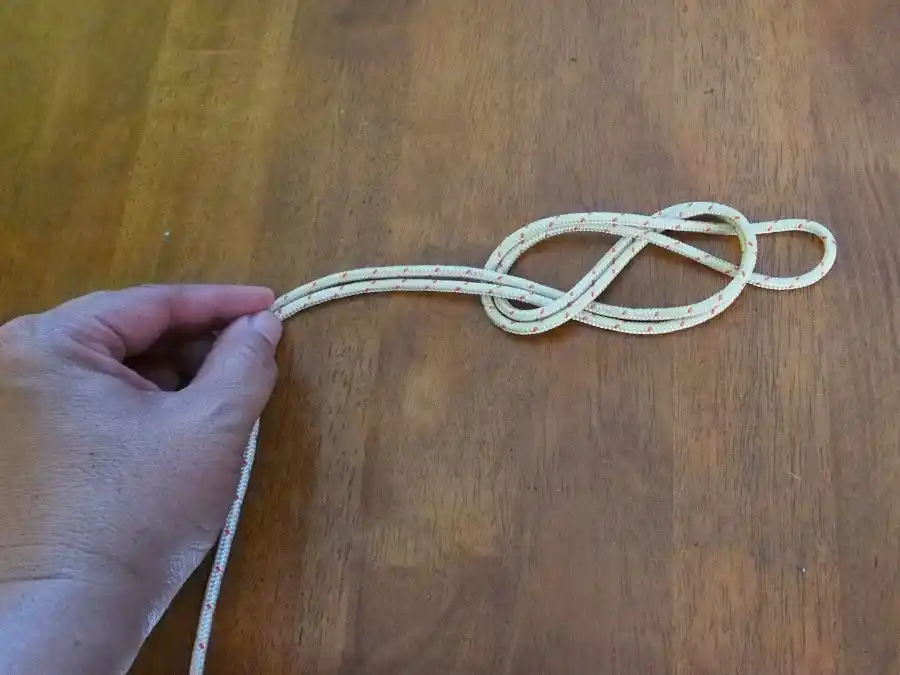
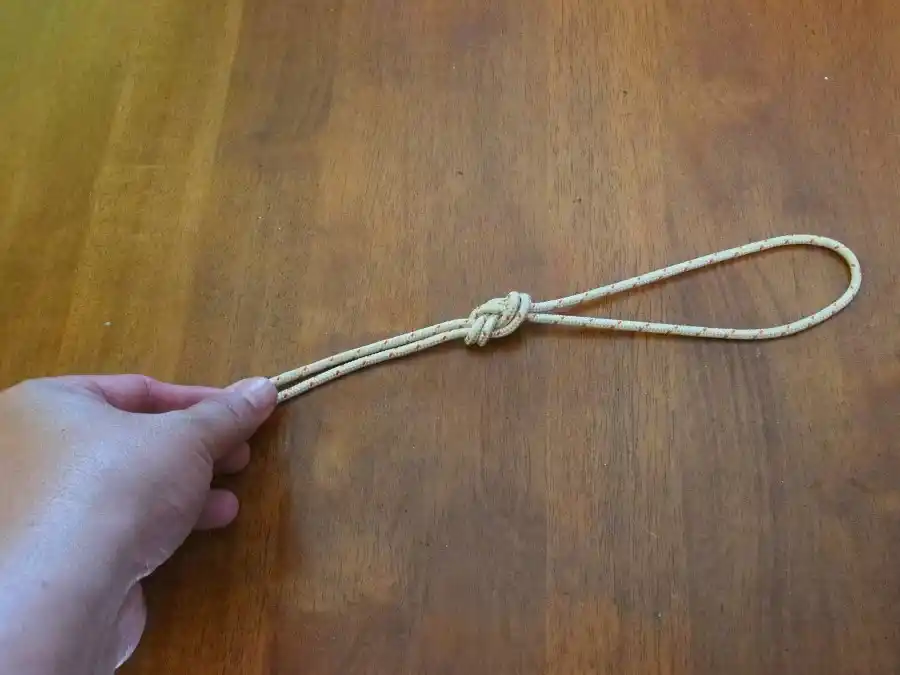
Figure of Eight Bending Knot
If you'd like to go further, get a book on the subject. The first one I picked up was by Des Pawson, and I've since added a few more to the shelf, including one by Gordon Perry.
Note: as a diver, always carry a dive knife. This matters even more at a new dive destination or wherever you'll be handling ropes underwater.