Exploring the Derawan Islands Off East Kalimantan
A diving destination that ranks among Southeast Asia's best and has somehow stayed off the radar, with jellyfish lakes, turtle nesting beaches, and manta encounters off East Kalimantan.
The Derawan Archipelago, a group of mostly uninhabited islands off the east coast of Borneo in the Celebes Sea, is something rare in Southeast Asia: a diving destination that belongs among the region's best and is still largely unknown.
A stretch of palm-fringed, white-sand beaches above the waves and a playground for divers below, these islands have somehow managed to pass under most people's radar. In a region where you are spoiled for choice by the wealth of renowned dive sites, the Derawan Islands offer one of the last remaining opportunities to dive somewhere spectacular before the rest of the world takes notice.
Kalimantan and the Derawan Islands
The island of Borneo is shared between the Malaysian states of Sarawak and Sabah, the small sultanate of Brunei, and Kalimantan, the southern three-quarters of the island that belongs to Indonesia.
Kalimantan is still largely unknown to international tourism, mostly because of how difficult it can be to get there. Much of the interior is covered by dense jungle and cut by mountain ranges, transport infrastructure is basic, and often the only way to travel is by river. Getting around can be time-consuming and expensive, which keeps it off-limits to all but the most determined travellers.
This is also why the Derawan Islands have stayed under the radar for so long. Despite lying only around 200km south of Malaysia's near-legendary Sipadan, they receive a fraction of the dive tourism that Sipadan does.
An Important Biodiversity Hotspot
Located off the coast of East Kalimantan, the archipelago consists of 31 small islands, along with numerous islets and reefs. The islands sit on the western fringe of the Coral Triangle, an expanse of ocean recognised as having the highest level of marine biodiversity in the world. The Derawan Archipelago, and particularly the island of Maratua, is considered one of the world's most important biodiversity hotspots, alongside Raja Ampat and the Solomon Islands.
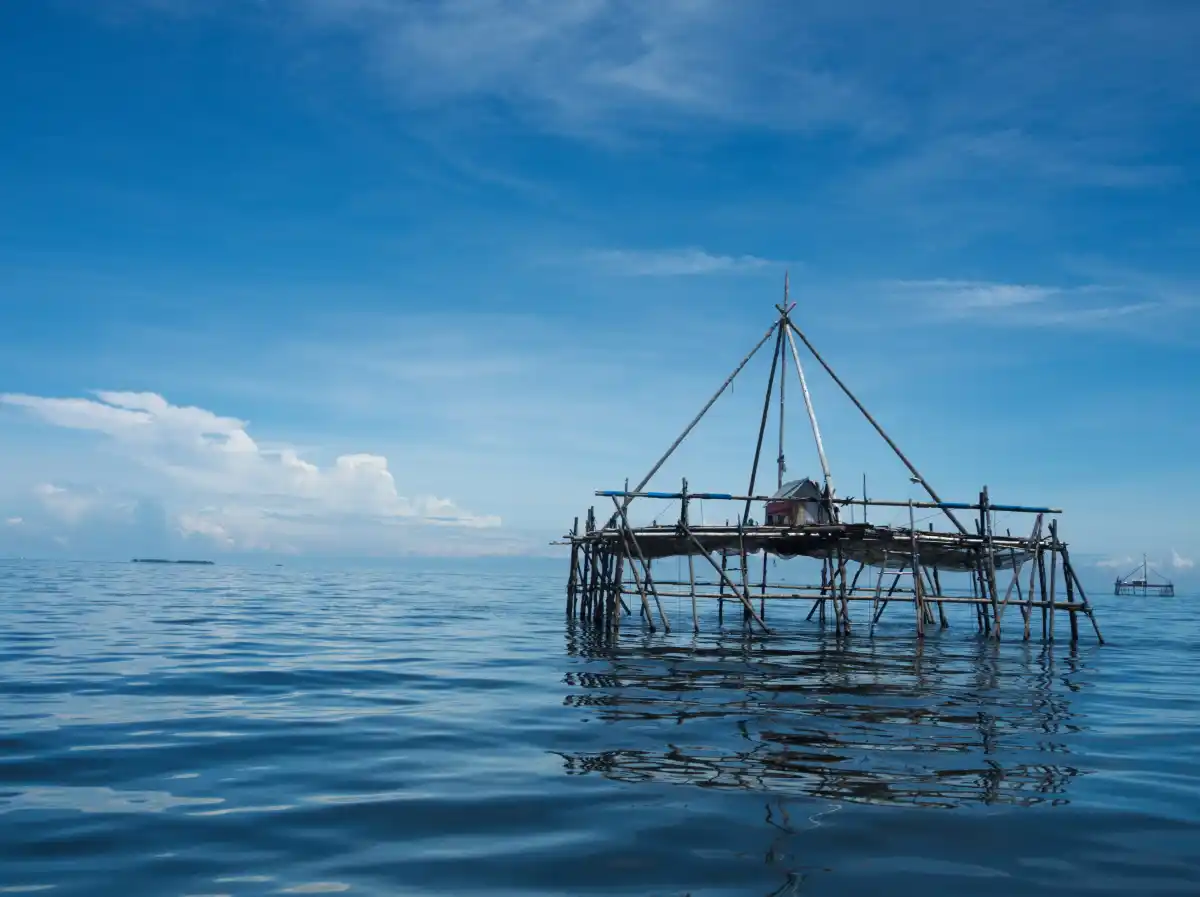
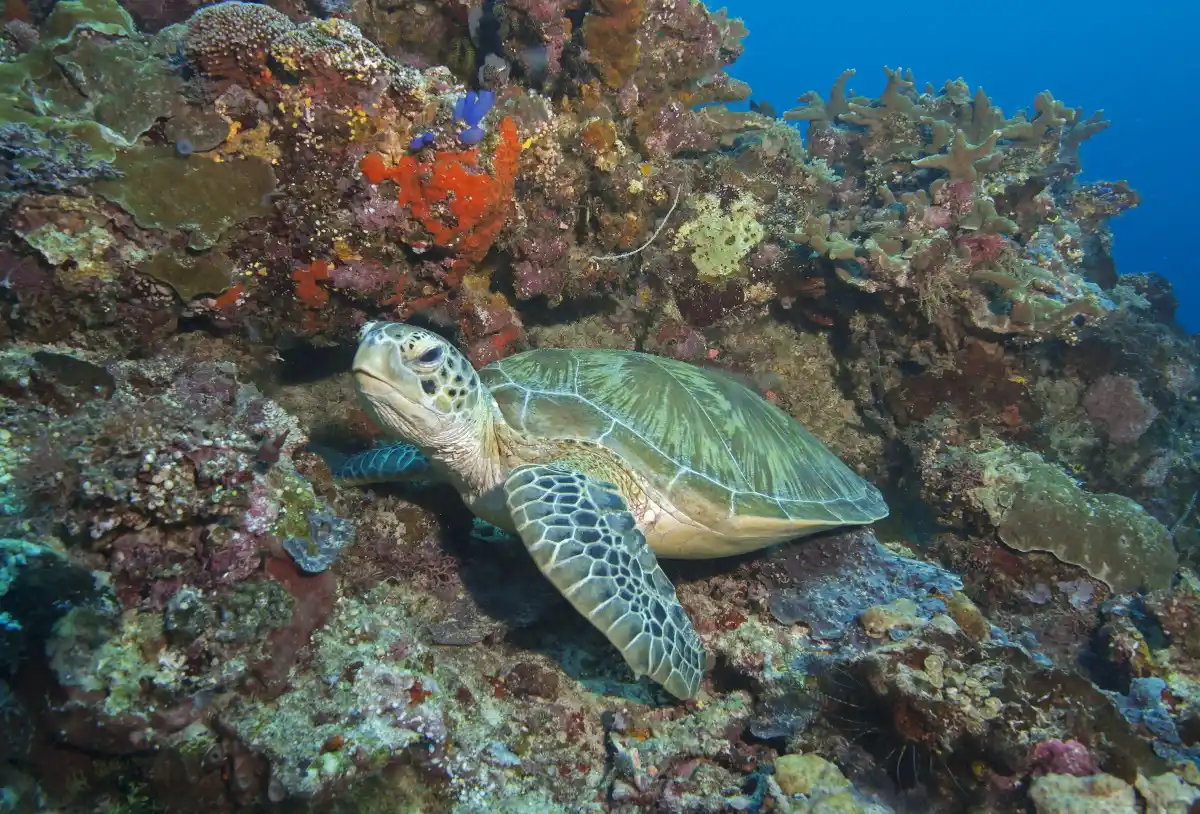
The waters around these islands support fish and coral in huge numbers, along with dolphins, whales and even dugongs. An estimated 15,000 turtles visit the islands each year, mostly green turtles but also hawksbills. The islands are a significant nesting area, and at certain times of year females can be seen hauling themselves onto the beaches to lay eggs, with hatchlings scurrying back to the surf around two months later.
The main islands of interest to divers are Maratua, Kakaban and Sangalaki, with around 30 recognised dive sites between them, several good enough to rank among the best in the region.
Human and Non-human Residents
The islands are home to monitor lizards, rare coconut crabs, and on some islands, populations of black macaques. Two of the islands offer an evolutionary curiosity: both Kakaban and Maratua hold brackish lakes full of jellyfish that have lost their sting entirely.
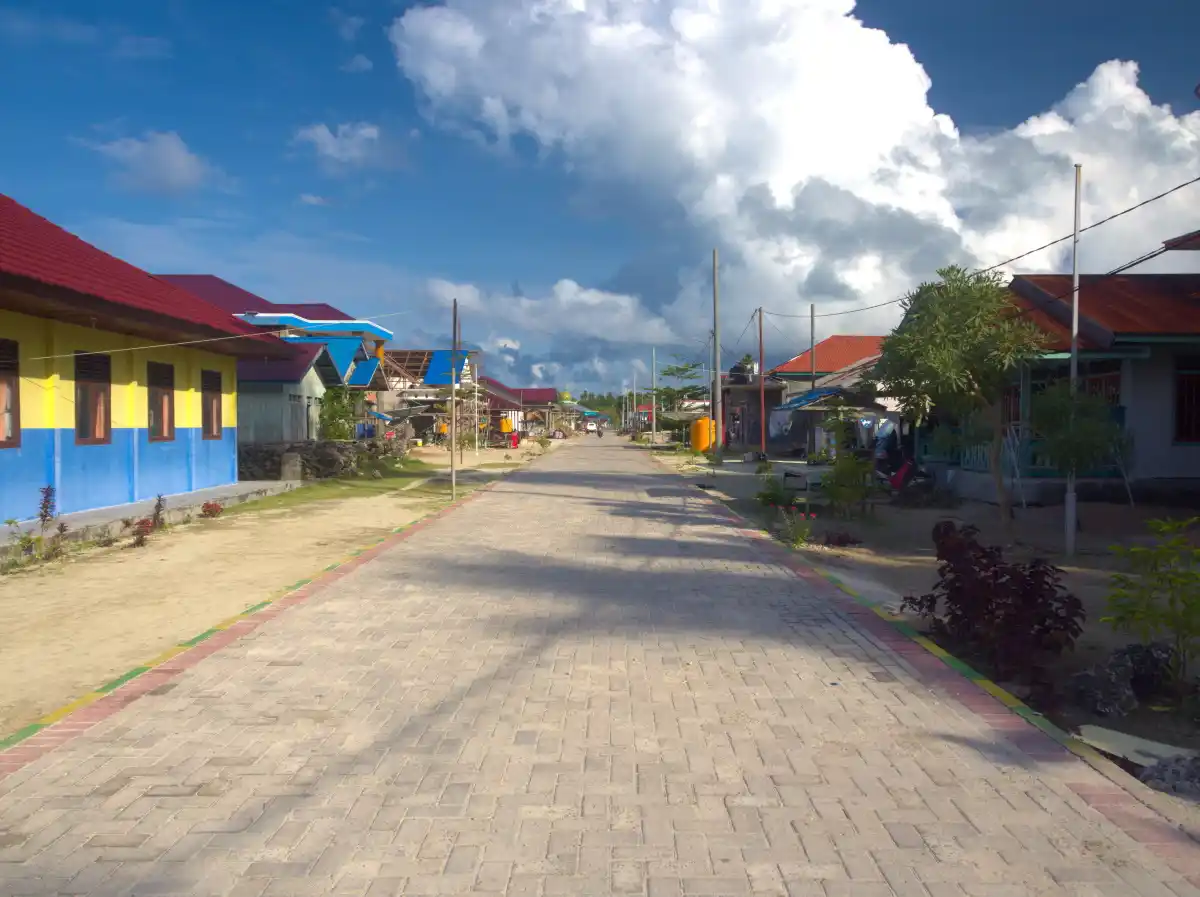
The villages on Derawan and Maratua, the only permanently inhabited islands, have changed little for generations. The population is mainly Bajau, also known as sea nomads, along with some Bugis, descendants of an ethnic group centred around Makassar in South Sulawesi. Sea nomad communities across Indonesia and the Philippines traditionally spend much of their lives at sea, and their long-breath-hold diving ability has developed over roughly a thousand years, in much the way Sherpa communities adapted to high altitude.
Derawan Island
Derawan, the small island for which the rest of the archipelago is named, is one of the first you reach from the mainland. It's one of only two islands with a permanent settlement, with a handful of losmen (traditional Indonesian guesthouses) and warung (simple local restaurants).
There are few motorbikes, you can walk the island in under an hour, and there's no electricity after dark. It's a place for slowing down: village life, good beaches, and turtles visible just beyond the surf.
Diving Around Derawan
There are a handful of worthwhile dive sites around Derawan itself, but the best diving in the archipelago is found off the other islands.
Maratua Island
The much larger, horseshoe-shaped Maratua is home to four villages. Teluk Harapan and Payung-payung are the more tourist and backpacker-friendly of the four, though they lack some of the atmosphere of the village on Derawan.
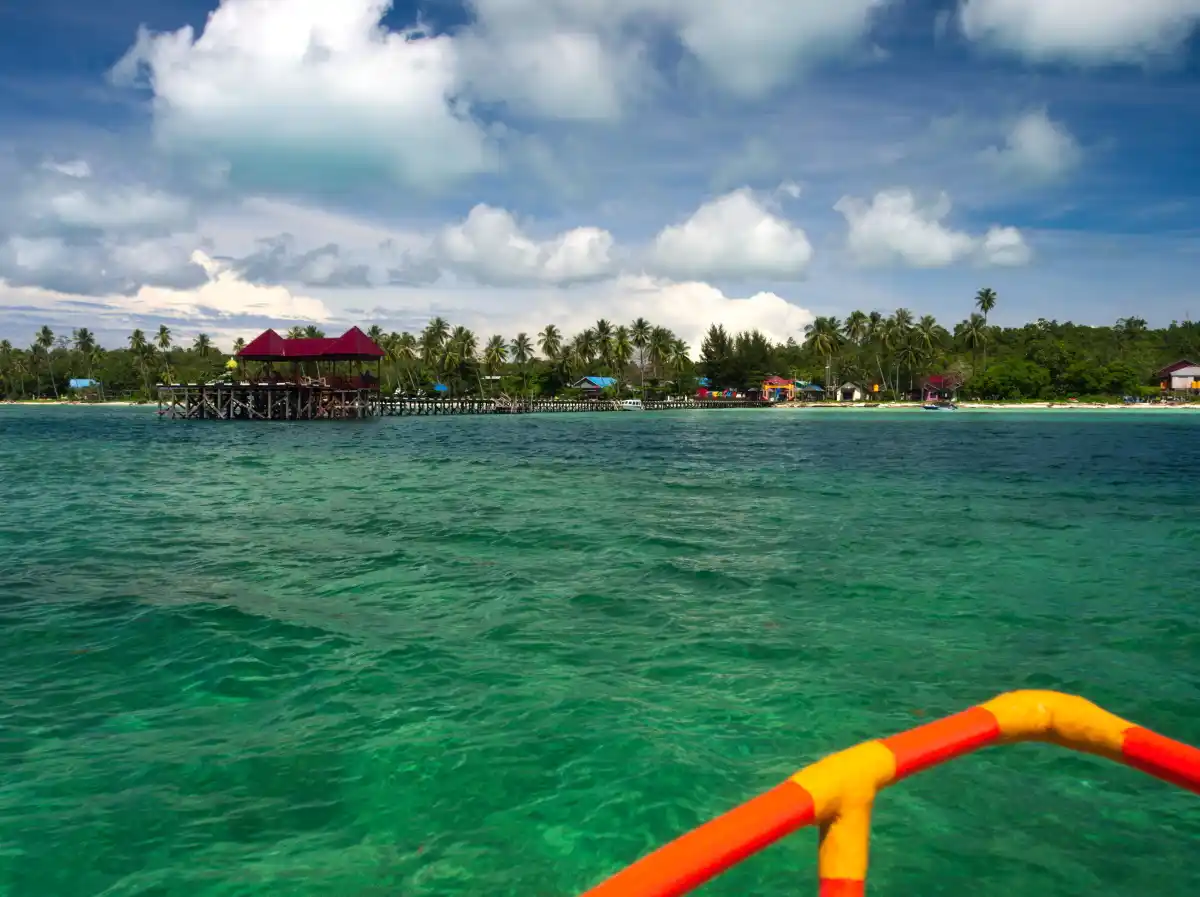
There are at least 13 known caves on the island, with more likely still unexplored. It also hides Danau Haji Buang, a small jellyfish lake far less visited than the famous one on neighbouring Kakaban.
Diving Around Maratua
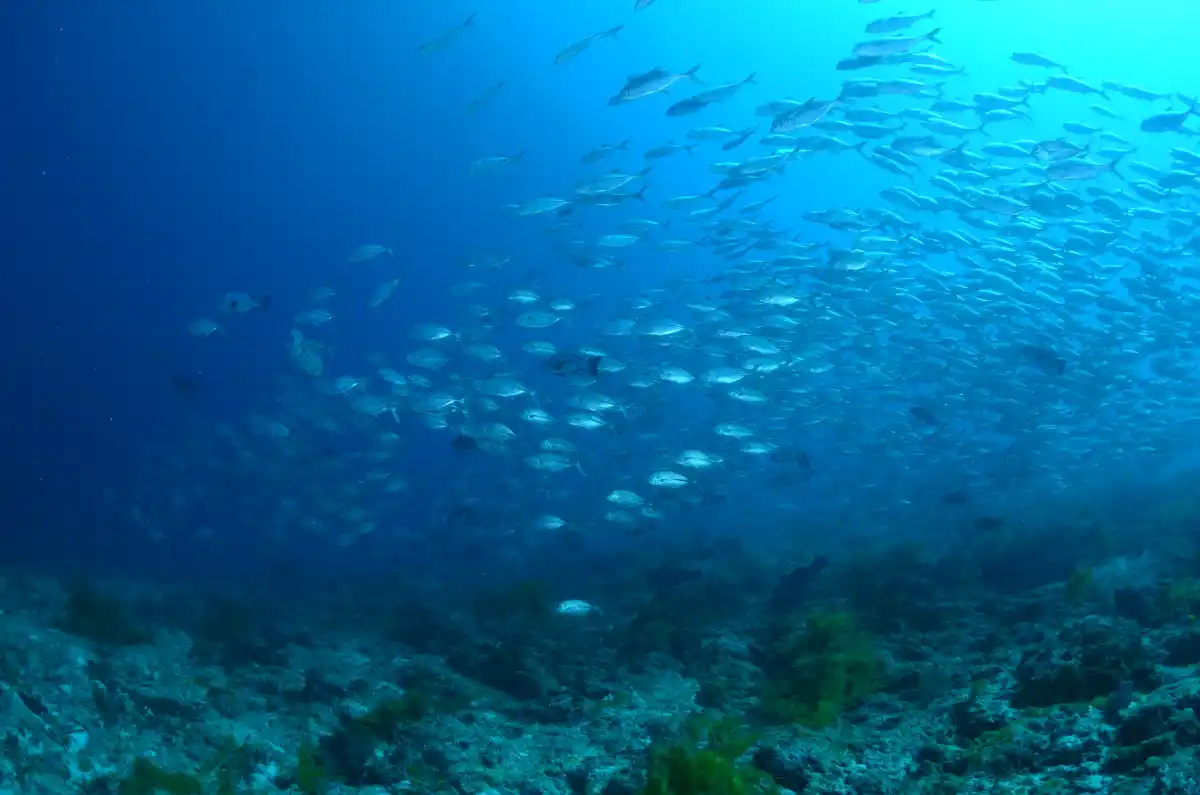
The diving here is a large part of why people make the effort to reach the archipelago at all. Maratua is known as the Turtle Capital of Indonesia, a name it earns at a dive site called Turtle Traffic, where hundreds of turtles gather and counting them quickly becomes pointless.
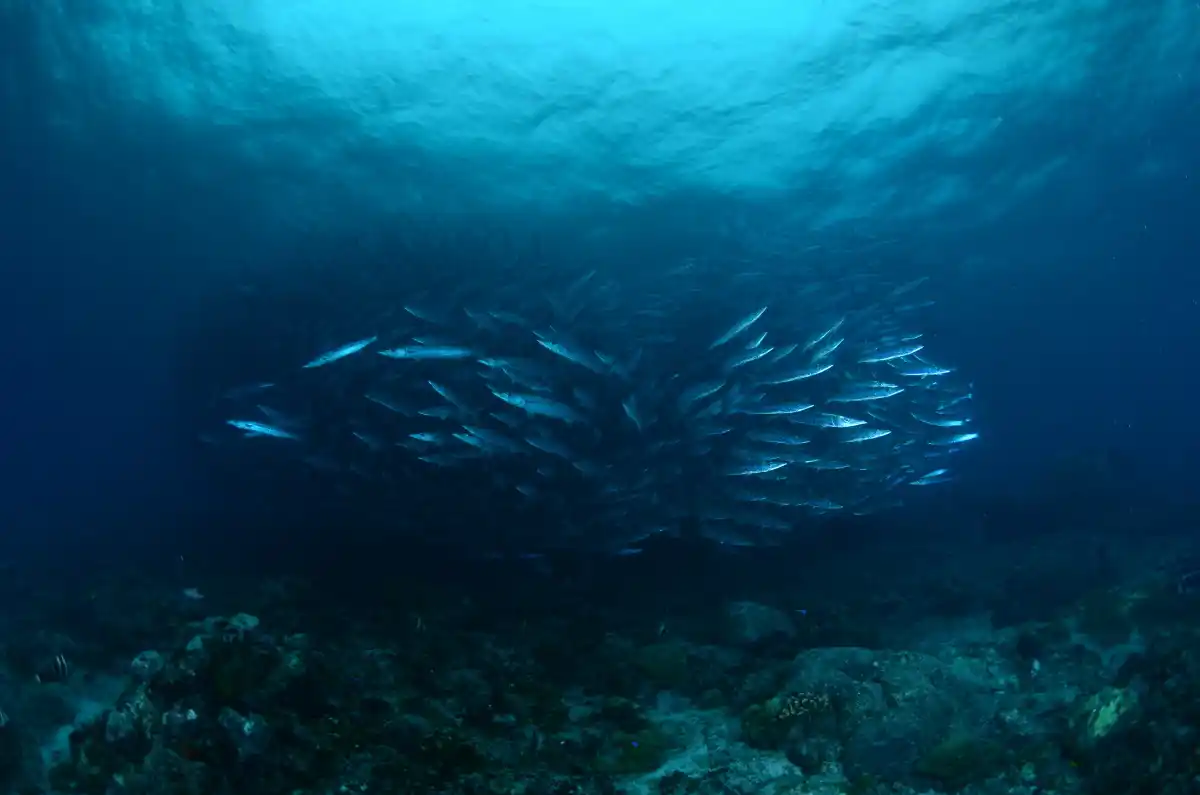
Maratua's most famous site is also its least dramatically named: The Channel, better known by its nickname, Big Fish Country. As the tide rises, water is forced through the channel, creating the strong currents pelagic fish favour. Expect barracuda, potato cod, reef sharks and plenty more working the current.
Kakaban Island
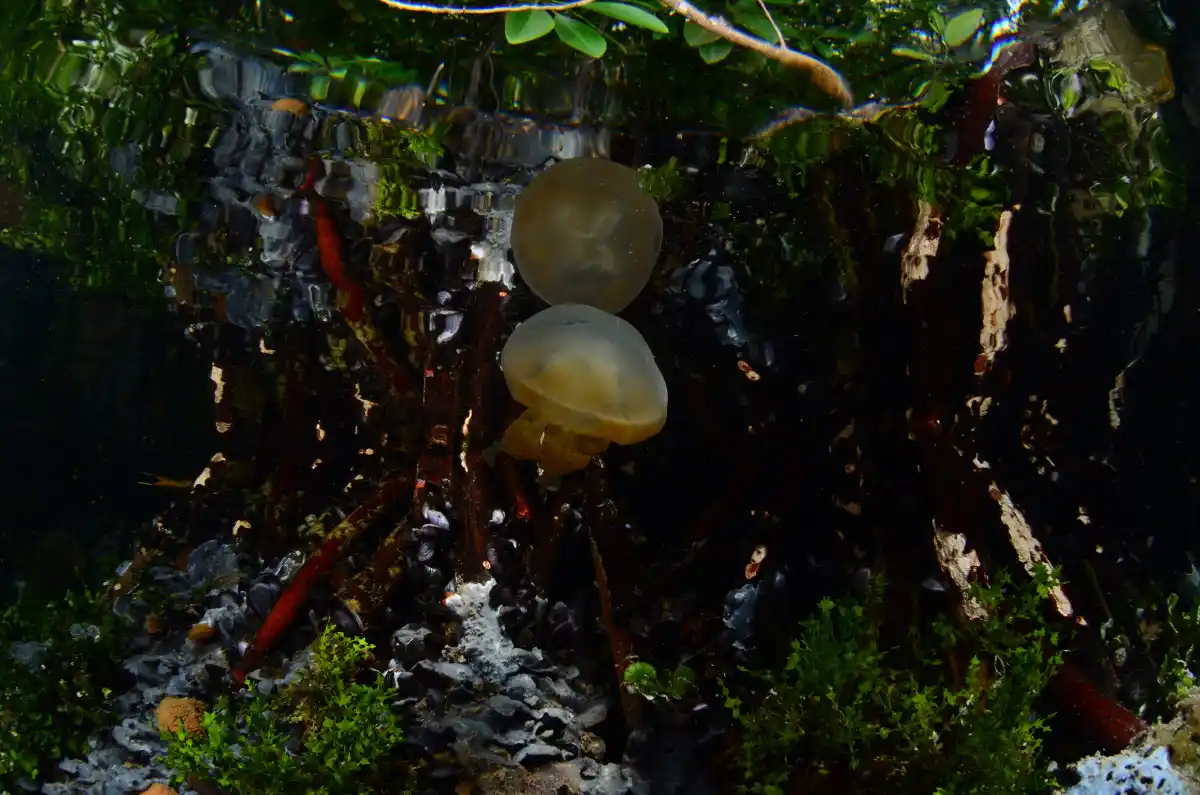
Sitting next to Maratua, Kakaban is best known for its lake of brackish water filled with stingless jellyfish.
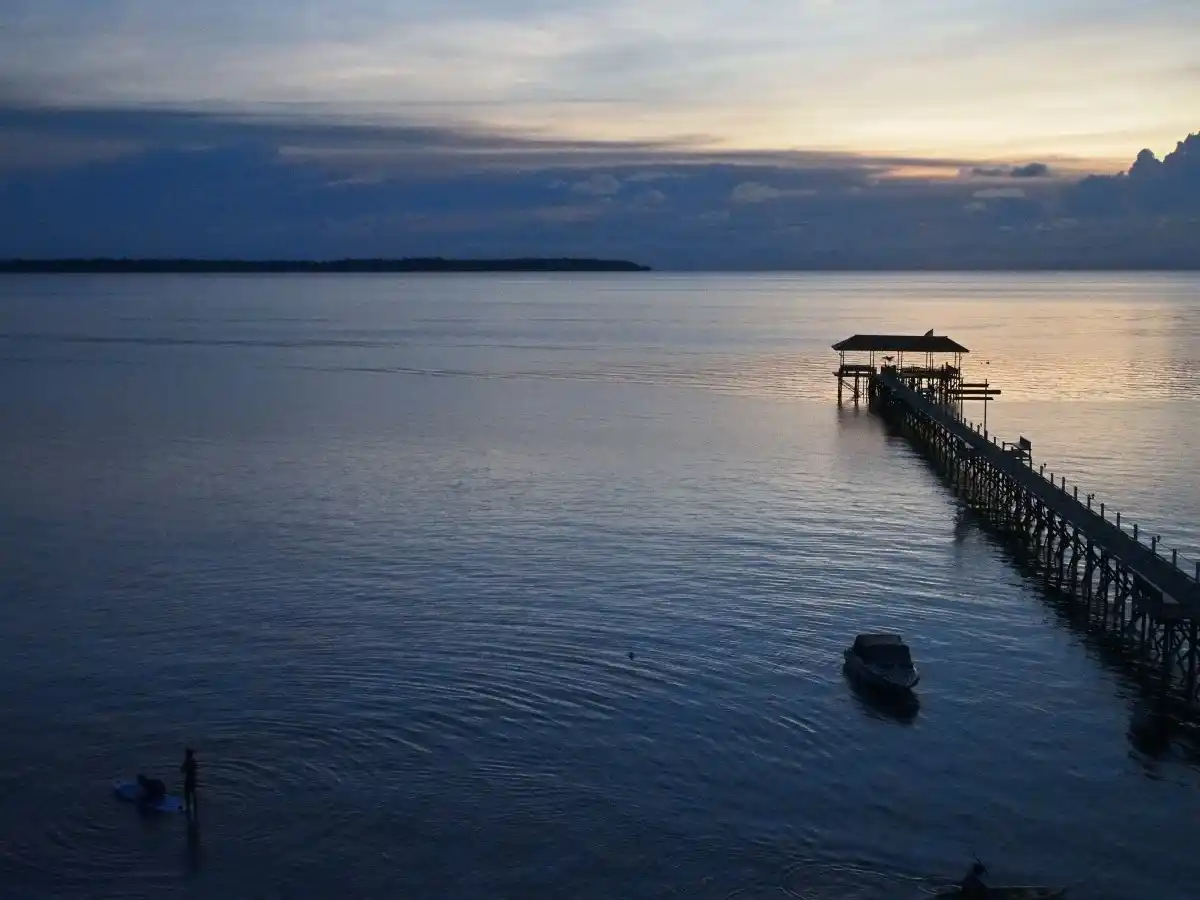
Long ago, geological uplift raised the lagoon and cut it off from the sea. With no predators to defend against, the jellyfish trapped inside gradually lost their sting over thousands of years. Four species live in the lake, including one descended from the box jellyfish, one of the most venomous animals in the sea, now entirely harmless in this isolated population.
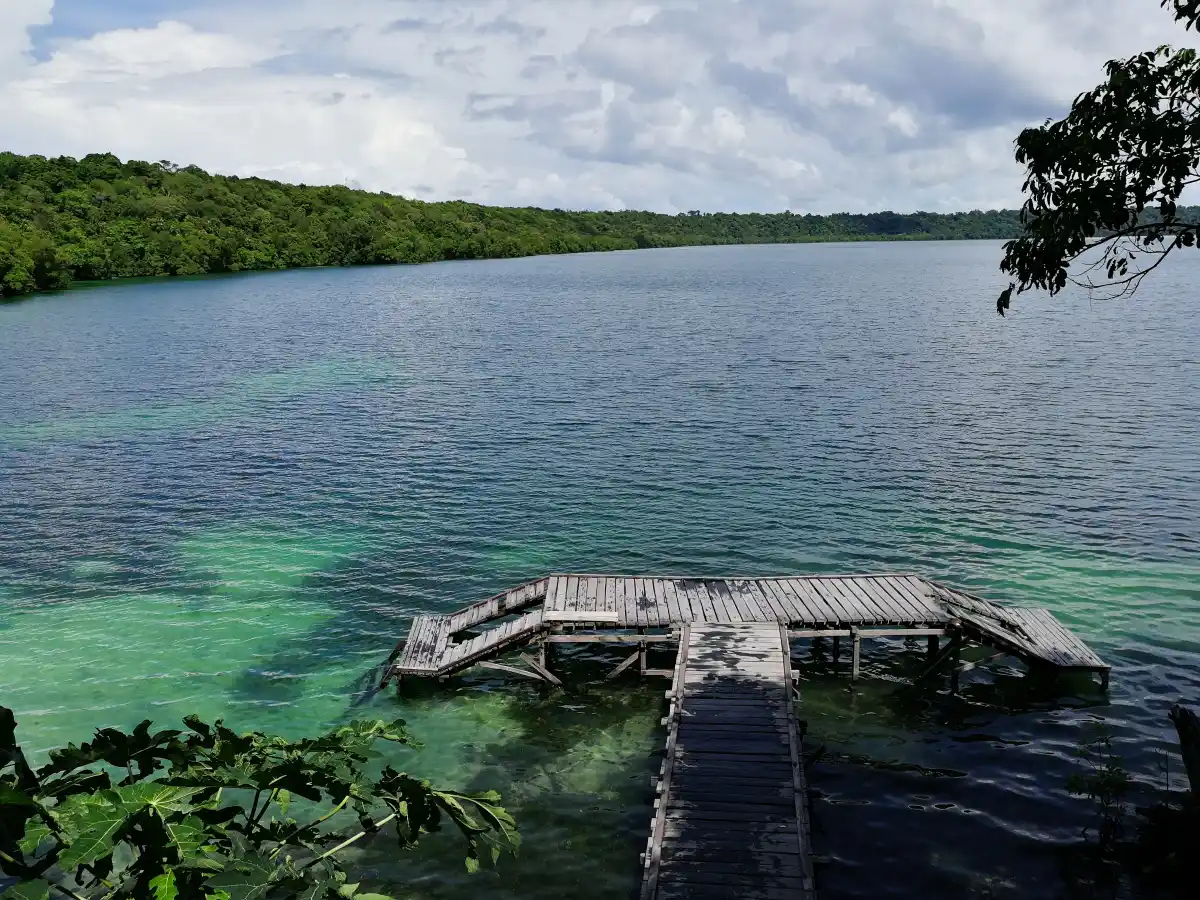
Another resident, the Cassiopeia jellyfish, swims upside down to expose the algae on its tentacles to sunlight, feeding itself on the algae's growth. The lake also holds fish, sea cucumbers, sponges and snakes, and is considered the most biodiverse brackish lake in the world.
Diving Off Kakaban
One of the best-known dive sites here, also called Barracuda Point, sees strong currents and, unsurprisingly, plenty of barracuda. The Wall is another highlight: a wall dive with dense reef fish, sea fans, and a mix of hard and soft coral.
Sangalaki Island
The last of the four main islands, Sangalaki, is known for two things: turtles and mantas. It's the largest known nesting site for green turtles in the Celebes Sea, and has been an Island Nature Tourist Park since 1982. The only residents now are turtle conservationists and researchers. A dive resort once operated here but closed in 2009 with no plans to reopen.
Diving Around Sangalaki
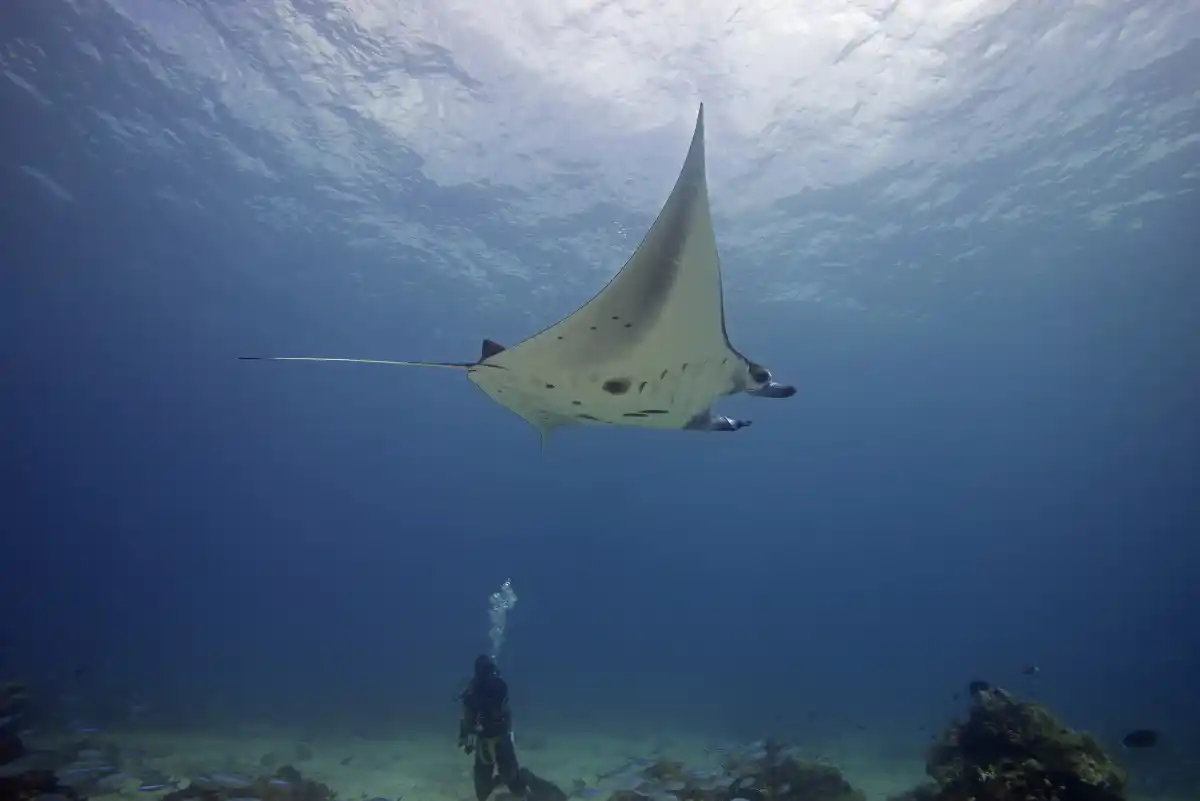
Below the surface, the mantas draw the crowds rather than the turtles. They can be seen year-round, though the best time is at the start of the rainy season in November and December, and numbers tend to peak around the new moon. The best-known site is Manta Parade.
How the Islands Got Their Names
The origins of the islands' names have mostly been lost to time, though local legend offers a few candidates.
One story tells of Maratua being haunted by a half-human, half-devil creature named Kokok who kidnapped local women. To be rid of him, villagers brewed a poisonous liquid from tuba root, disguised as milk, and left it outside Kabok Cave where Kokok lived. He drank it and died. ‘Maratua’ is said to derive from the Indonesian phrase masak tuba, meaning ‘cook tuba root’. To this day, islanders still leave offerings outside Kabok Cave for three days after any accident or misfortune.
A different telling holds that Kokok were ghosts rather than a single demon, dispersed the same way, with the boiling process called mellatua in a local dialect, another possible root of the name.
A separate story tells of a wedding party that drowned in a shipwreck in the area, each person turning into an island: a virgin became Derawan, the mother became Semama, the older brother became Kakaban, the groom became Sangalaki, and the bride became Maratua. In Indonesian, perawan means ‘virgin’, and the words for the other family members echo the island names closely enough to make the story stick.
A final theory traces Kakaban to a local word for ‘hug’, since the island wraps around its brackish lake.
What to Do on Dry Days
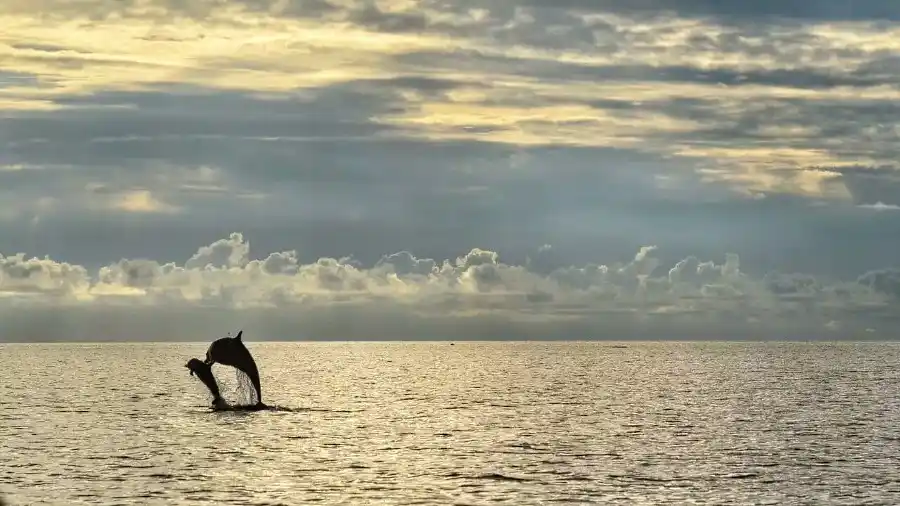
For such small islands, there's plenty to fill a day out of the water. A trip to Kakaban to swim with the harmless jellyfish is the obvious choice, and spinner dolphins are often spotted early in the morning around Maratua Island.
The village on Derawan is worth a visit and is one of the most authentic in the area. On Maratua, Payung-payung village is the most accessible, named for a stone shaped like an umbrella (payung means umbrella in Indonesian). The other three villages, and Maratua's caves, are also worth exploring for the more adventurous.
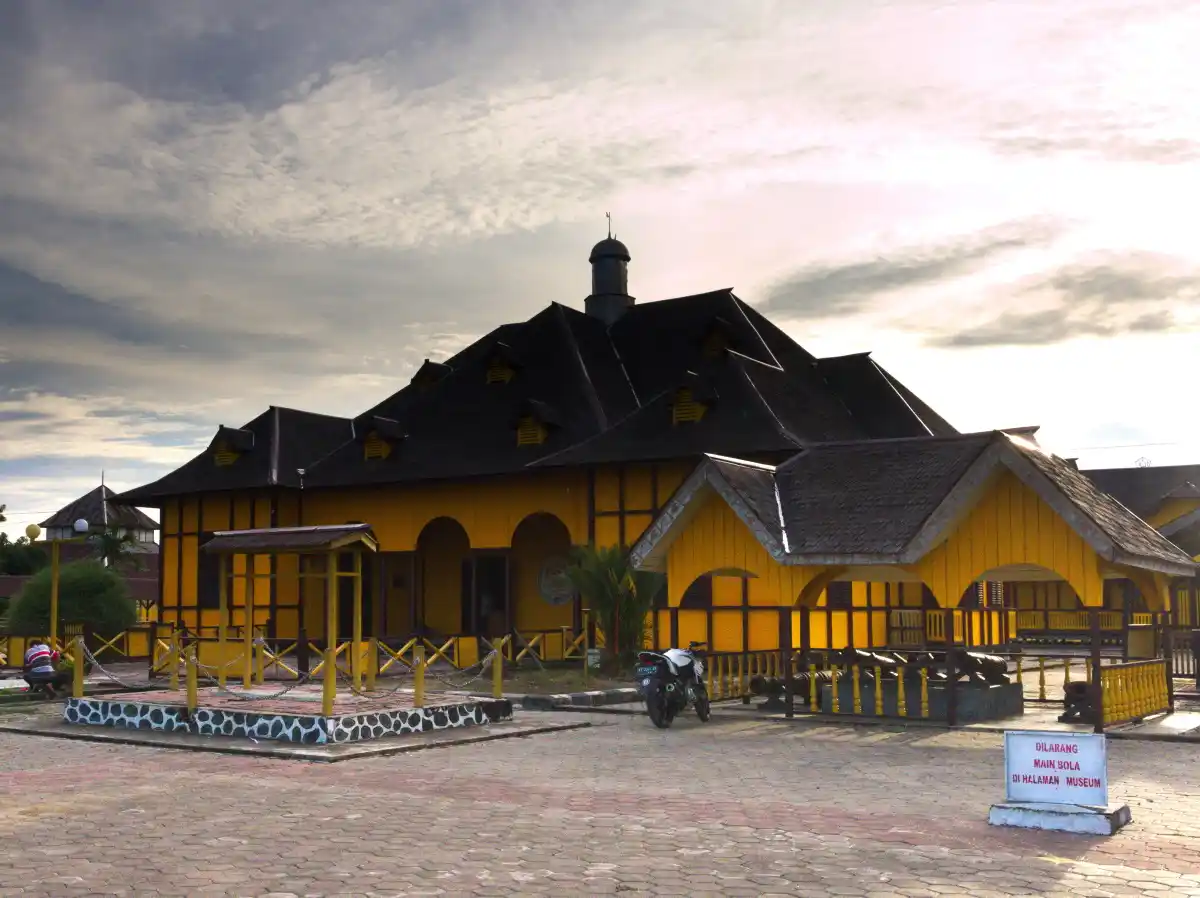
Back on the mainland in Berau, a former palace converted into a museum showcasing local history is worth a stop on the way to or from the islands.
Where the Islands Are and How to Get There
Reaching the Derawan Islands takes a little planning and a few changes of transport.
The islands belong to the Berau regency in East Kalimantan. The main access point is Tanjung Redeb, from where you can take a speedboat directly to the islands (faster but pricier) or continue downriver to Tanjung Batu, where boats are cheaper.
To reach Tanjung Redeb, fly into Kalimarau Airport, either directly from Jakarta or via a transfer through Balikpapan. It's also possible to reach the islands by boat from Tarakan, near the Malaysian border.
Since the transport situation changes from time to time, the best advice is to contact us for the most current routing and boat schedules.
When Is the Best Time to Go
It's possible to dive year-round in the Derawan Islands, but the dry season, from March to October, gives the best conditions. For the best chance of seeing mantas, aim for the start of the rainy season around November or December.

Travel Tips
The islands are remote and depend on the mainland for supplies. There are no money changers, so bring enough cash for your whole stay. Places to eat are limited, though meals are generally covered by the dive resorts.
Which Dive Resorts to Stay At
Here are the resorts we recommend for exploring the Derawan Islands: